How to Choose Real Estate Media for a Toronto or GTA Listing

Melon Media offers real estate photography, video and combined media packages for Toronto and GTA listings. Use the current service pages to confirm what is included for the property and production method you select. The goal is not simply to create attractive images. It is to give each property a coordinated set of marketing assets for MLS, social media, agent websites, digital advertising and listing presentations.
This practical guide explains how to choose the right real estate media, prepare for the shoot and build an efficient content package around the property, target buyer and marketing plan.
1. Match the media package to the listing
Start by considering the property type, price point and likely buyer journey. A compact downtown condominium may need polished photography, a floor plan and a vertical social video. A detached luxury home may benefit from a cinematic walkthrough, drone footage, twilight images and a 3D tour.
A useful package should support the way the listing will actually be marketed. Before booking, identify where the content will appear and which features must receive the most attention.
- Condominiums: Focus on interior photography, views, amenities, neighbourhood access and vertical video.
- Family homes: Show room flow, outdoor space, nearby parks and functional features.
- Luxury properties: Use cinematic movement, detailed compositions, aerial perspectives and lifestyle storytelling.
- Vacant or renovated properties: Prioritize space, finishes, layout and accurate floor plans.
- Rental and investment listings: Choose efficient coverage that clearly communicates condition, size and location.
2. Choose the core listing services
Real estate photography
Professional listing photography is the foundation of most campaigns. Wide compositions help buyers understand the rooms, while tighter detail shots can highlight millwork, fixtures, appliances and architectural finishes. Exterior images should establish curb appeal and show the relationship between the home, lot and surrounding streetscape.
When comparing real estate photography pricing, check what the quoted package includes. Important details include the expected image count, exterior coverage, basic retouching, delivery format and whether amenities or neighbourhood features require an add-on.
Real estate video
A real estate video creates a guided visual experience rather than a collection of individual views. Camera movement can connect rooms, reveal sightlines and establish the pace of the property. Short-form edits can also turn the same shoot into content for Instagram Reels, TikTok and YouTube Shorts.
Agents should decide whether they want a property-only film or an agent-led video. An on-camera introduction can strengthen personal branding, while a property-only format keeps the focus on the architecture. For social platforms, request a vertical version with a strong opening shot and concise pacing.
Drone photography and video
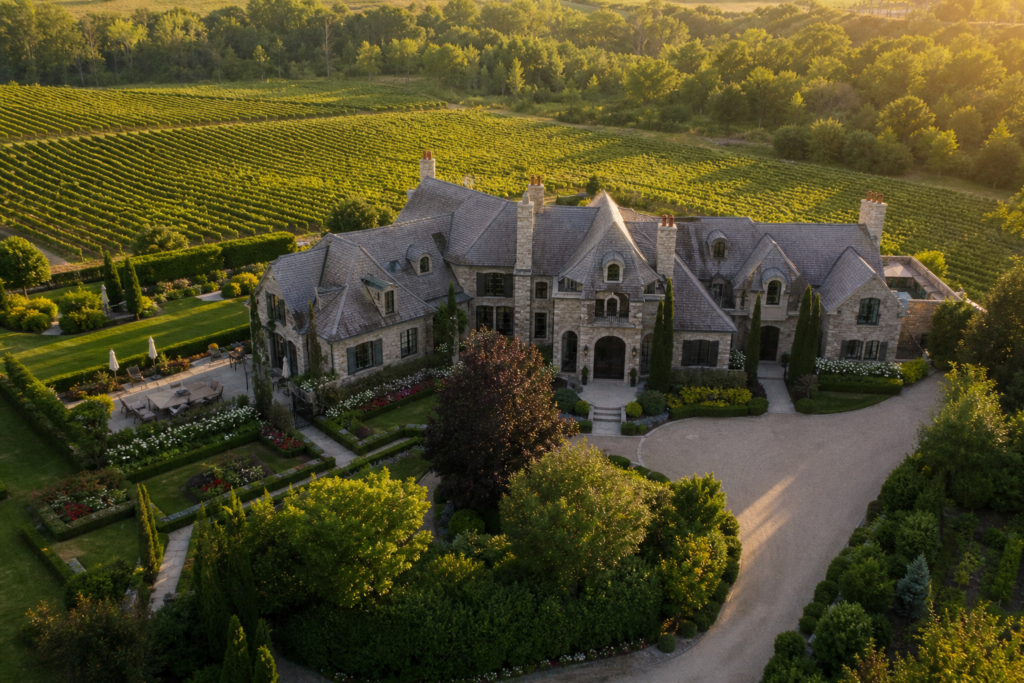
Drone media is most effective when the surroundings influence the buying decision. It can show lot size, proximity to water, ravines, transit, parks or commercial areas. Aerial footage can also provide a clear establishing shot for a cinematic listing film.
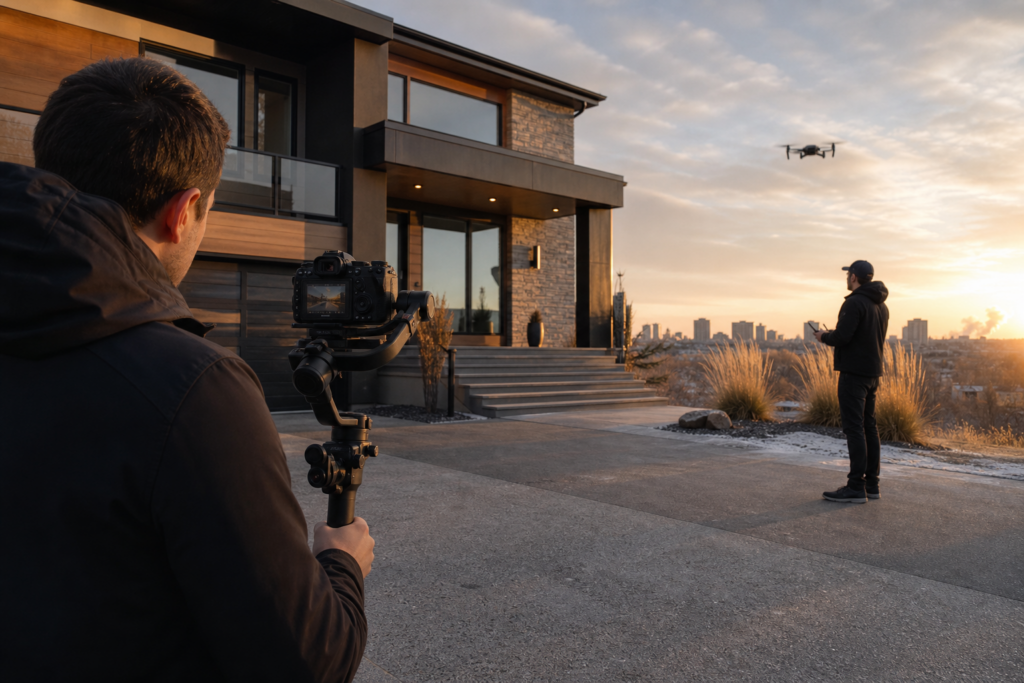
Drone operations in Canada must follow applicable Transport Canada requirements and site-specific restrictions. Weather, controlled airspace, nearby airports, local conditions and privacy considerations can affect whether a flight is possible. Confirm feasibility before building the entire campaign around aerial content.
3D tours and floor plans
A 3D tour allows prospective buyers to explore the property remotely and revisit rooms at their own pace. It is particularly useful for relocation buyers, occupied homes, larger layouts and listings expected to attract out-of-area interest.
Floor plans complement the tour by giving buyers a simplified overview of room relationships. Ask whether measurements are intended for marketing reference only and review any local disclosure requirements before publishing dimensions.
3. Prepare the home before Melon Media arrives
Good preparation improves every deliverable and reduces time spent moving objects during the appointment. Complete cleaning and staging before the scheduled arrival rather than relying on post-production to remove distractions.
- Open curtains and blinds consistently throughout the home.
- Replace failed bulbs and use matching colour temperatures where possible.
- Clear kitchen counters except for a few intentional styling items.
- Remove toiletries, bins, cleaning products and personal photographs.
- Straighten bedding, towels, chairs, rugs and window coverings.
- Hide pet bowls, crates, toys and litter boxes.
- Move vehicles away from the driveway and primary exterior view.
- Prepare balconies, patios, pools and seasonal outdoor areas.
- Tell the media team about rooms, amenities or features requiring special access.
Agents should also provide a short priority list. Mention upgrades, preferred opening shots, community features and anything that should not be photographed. For occupied listings, confirm that sellers understand the expected shoot duration and access plan.
4. Build one shoot into multiple marketing assets
The most efficient approach is to plan photography, video and social content together. Capturing everything during one coordinated appointment can create a consistent visual style and reduce repeated disruption for the seller.
Depending on the agreed scope, a campaign may include listing-platform images, a horizontal property film, a vertical Reel, aerial clips, a 3D tour, a floor plan and several short teaser shots. Agents can release these assets in stages: announce the upcoming listing, publish the launch content, share a feature-focused video and reuse selected visuals for open-house promotion.
5. Compare current service scopes
Use the published photography options, video services and combined packages as your starting point. Confirm whether a video is filmed on site or created from photographs, and identify each finished deliverable.
Ask for coverage, revisions, delivery, usage rights, any hosting period and the final total with applicable charges. This article does not provide a verified market average or add inclusions to a current package.
6. Plan for Toronto and GTA logistics
Toronto-area shoots can involve condominium booking rules, elevator reservations, parking limitations and variable travel times. Obtain amenity access in advance and confirm whether the building permits photography in shared spaces. For suburban properties, provide clear parking instructions, gate codes and details about detached garages or secondary structures.
Weather also matters. Interior photography can often continue on an overcast day, but exterior and drone content may need flexibility. Keep a backup plan for rain, high winds, snow or poor visibility, especially when the exterior is a major selling feature.
7. Book the right deliverables for your next listing
Before contacting Melon Media, gather the address, approximate square footage, property type, occupancy status, preferred shoot date and required launch deadline. Add the platforms you plan to use and any priority features. With that information, the media package can be aligned with the listing instead of built around unnecessary extras.
Ready to choose coverage for a Toronto or GTA property? Book your listing media consultation with Melon Media and share the property details, timeline and marketing goals.
Ready to tell your story on camera?
Photography and video for Toronto and the GTA. Review the service scope and delivery timing before booking.