June 24, 2026 · 10 min read · Video Marketing

Twilight vs Daytime Real Estate Photos: What Sells?

Twilight vs Daytime Real Estate Photos: What Sells?

Twilight Real Estate Photography vs Daytime Photos: The 2026 Seller Guide

When a listing goes live, the first image has one job: stop the scroll. For Canadian sellers, agents, and developers, the choice between daytime photos and twilight real estate photography can influence click-through rates, showing requests, perceived value, and days on market. But which option actually sells listings faster?

The short answer: daytime photos are essential for accuracy and volume, while twilight photography is a strategic upgrade that can help premium, lifestyle-driven, or visually dramatic listings attract more attention. In competitive markets like Toronto, Vancouver, Calgary, Ottawa, and Montreal, the best-performing listings often use both: clean daytime coverage for information, plus one or two twilight hero images for emotional impact.

What Is Twilight Real Estate Photography?

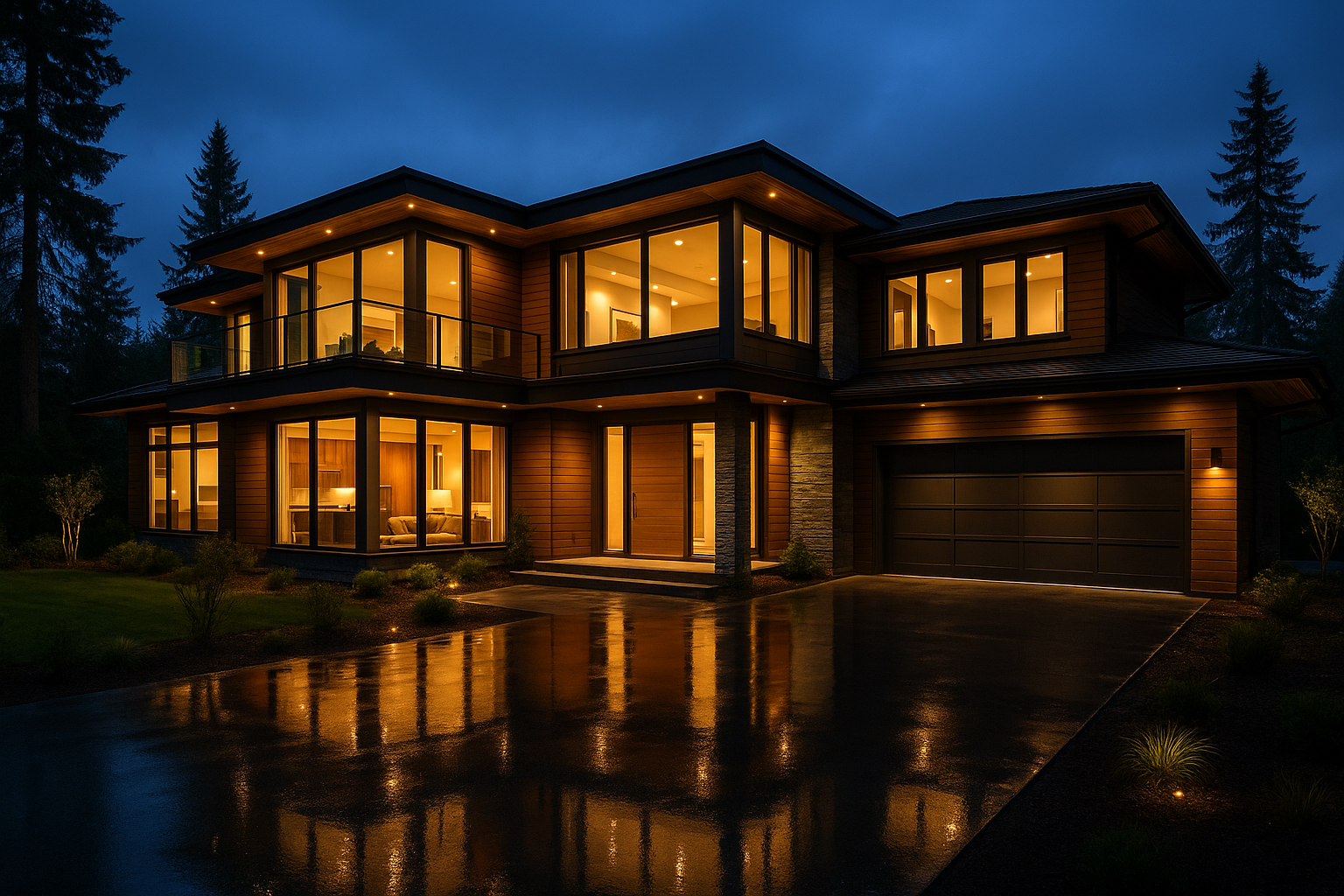
Twilight real estate photography is captured shortly after sunset or just before sunrise, when the sky has colour and the property lights are on. The result is a warm, cinematic image that highlights exterior lighting, landscaping, pools, architectural features, city views, and indoor-outdoor living.

Unlike standard daytime photography, twilight images are designed to create atmosphere. They make a home feel elevated, private, and aspirational. For luxury homes, waterfront properties, modern builds, condos with skyline views, and listings with strong exterior lighting, twilight can turn a good listing into a memorable one.

What Daytime Photos Do Better

Daytime real estate photography remains the foundation of almost every listing package. Buyers want to clearly see room size, layout, finishes, natural light, exterior condition, parking, yard space, and neighbourhood context. Daytime images are practical, accurate, and easy to produce at scale.

Daytime photos are especially effective for condos, townhomes, starter homes, rental listings, investment properties, and family homes where buyers are comparing multiple options quickly. They also make sense when budget, weather, or timing is tight.

Which Sells Listings Faster?

Twilight photos can help listings sell faster when the property has a strong visual story. They do not replace pricing strategy, staging, agent skill, or market demand, but they can increase attention at the top of the funnel. More clicks can lead to more saved listings, more showings, and stronger early momentum.

In Canada, where buyers often browse Realtor.ca, brokerage sites, social media, and agent newsletters before booking a showing, the hero photo matters. A twilight exterior can stand out in a grid of daytime thumbnails, particularly in high-value neighbourhoods such as Toronto’s Rosedale, Forest Hill, The Kingsway, or Vancouver’s Kitsilano, Shaughnessy, West Vancouver, and North Vancouver.

However, daytime photos may sell faster for properties where clarity matters more than mood. If the home has limited exterior lighting, a plain facade, or no premium outdoor features, twilight may not generate enough incremental value to justify the cost. The right answer depends on property type, price point, competition, and marketing goals.

2026 Cost Guide: Twilight vs Daytime Photography in Canada

Pricing varies by city, travel, property size, usage rights, turnaround, and whether the photographer is providing stills only or a complete media package. As a practical 2026 planning guide, Canadian real estate photography costs often fall into these ranges:

  • Standard daytime photography: $200 to $450 for condos and smaller homes; $450 to $800 for larger detached homes or premium coverage.
  • Twilight add-on: $150 to $400 when booked with a daytime shoot, depending on timing and location.
  • Dedicated twilight session: $300 to $700, especially if travel, advanced lighting, or luxury editing is required.
  • Luxury photo package: $900 to $2,500+ for large estates, architectural work, twilight, aerials, advanced retouching, and extended licensing.
  • Cinematic listing video add-on: $800 to $3,500+ depending on length, crew size, drone, vertical video cutdowns, and scripting.

Toronto and Vancouver are typically at the higher end due to traffic, parking, production demand, premium expectations, and higher property values. In secondary markets, pricing may be lower, but premium twilight and video services still command more because timing windows are limited and quality editing is labour-intensive.

ROI: When Twilight Photography Pays Off

The ROI of twilight real estate photography is strongest when the incremental media cost is small compared with the listing price and commission opportunity. For example, spending an additional $300 on twilight images for a $1.8 million home is a minor marketing cost if it helps generate more qualified showings in the first week.

Twilight can be particularly valuable when:

  • The home has architectural lighting, landscape lighting, a pool, fire feature, or outdoor kitchen.
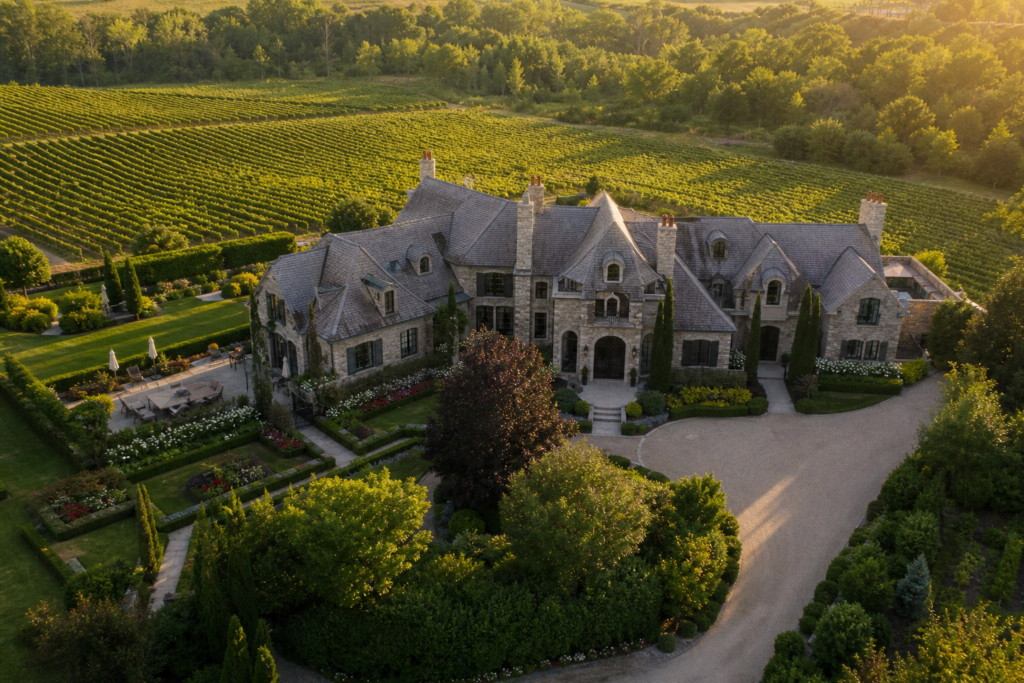
  • The property is luxury, custom-built, waterfront, rural estate, or view-focused.
  • The listing competes against similar homes and needs a stronger hero image.
  • The agent wants premium assets for social media, print, email, and listing presentations.
  • The campaign includes cinematic video, drone footage, or vertical reels.

For agents, the ROI is not only one sale. Premium visuals can also improve brand perception and help win future listings. Sellers notice when marketing feels elevated, and twilight photography is one of the clearest signals that a listing is being positioned seriously.

Timelines and Scheduling Considerations

Daytime photography is flexible. A typical shoot can happen mid-morning to afternoon, with same-day or next-day delivery available from many providers. Twilight photography is less flexible because the ideal capture window may last only 20 to 40 minutes.

In Canada, timing also changes significantly by season. Summer twilight in Toronto or Vancouver may happen late in the evening, while winter twilight arrives before many sellers return from work. Weather, snow, rain, cloud cover, and property access can affect results. For best outcomes, schedule twilight photography early in the listing preparation timeline rather than the day before launch.

Best Package Strategy for Faster Listing Momentum

For most Canadian listings, the highest-impact package is not twilight versus daytime. It is daytime plus selective twilight. A balanced 2026 real estate media package may include:

  • 25 to 45 daytime interior and exterior photos for listing clarity.
  • 3 to 8 twilight hero images for emotional appeal.
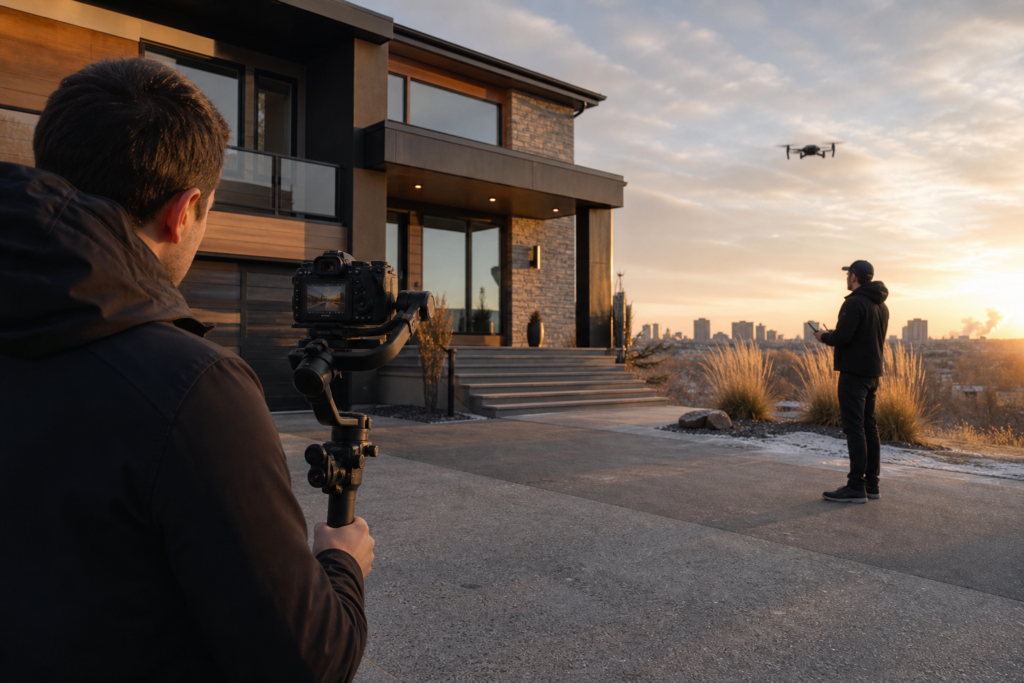
  • Aerial photos or drone video where permitted and useful.
  • A 60 to 120 second cinematic listing video for web and MLS support.
  • Vertical video cutdowns for Instagram Reels, TikTok, YouTube Shorts, and agent ads.
  • Floor plans or iGUIDE-style tours for buyers who want layout confidence.

This combination supports the entire buyer journey: the twilight image earns attention, daytime photos answer practical questions, video builds desire, and floor plans reduce friction before a showing.

Toronto and Vancouver Market Notes

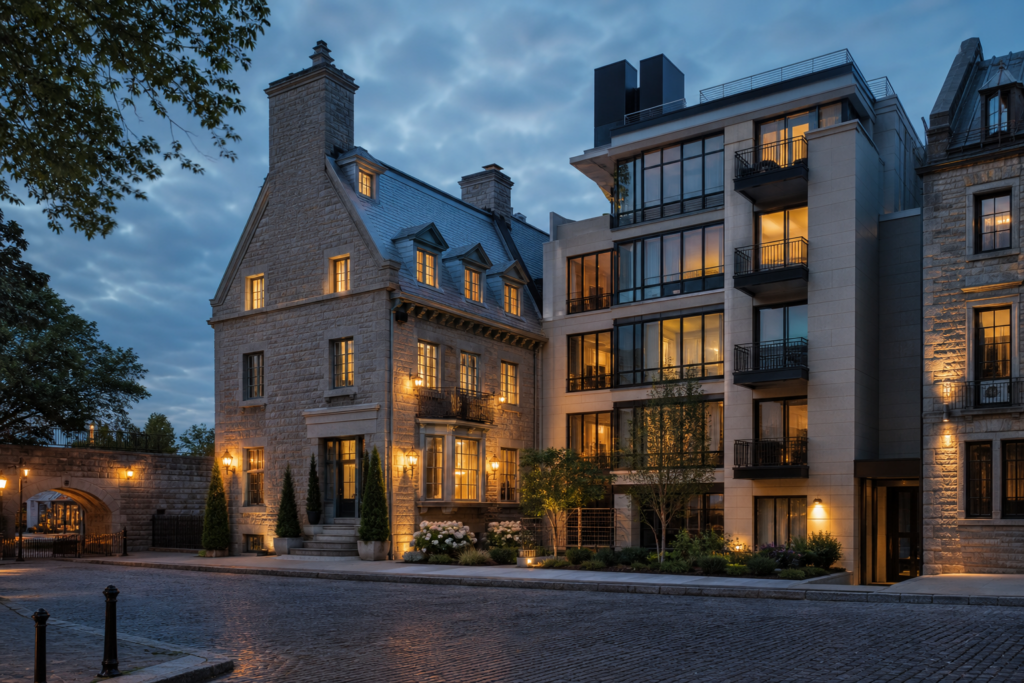
In Toronto, twilight photography is often effective for detached homes, luxury infill builds, ravine lots, and properties with upgraded exterior lighting. It can also help laneway homes, modern townhomes, and boutique condos feel more design-forward when competing for attention online.

In Vancouver, twilight is especially powerful for view properties, contemporary homes, waterfront listings, and residences with mountain, skyline, or ocean backdrops. The soft evening light can communicate lifestyle in a way daytime photos sometimes cannot.

In both markets, buyers are sophisticated. Overly edited images can backfire if the home does not match the marketing. The goal is premium but believable: clean colour, natural skies, accurate lighting, and no misleading manipulation.

So, Which Should You Choose?

Choose daytime photos if the listing needs cost-efficient, accurate, fast media and the property does not have strong exterior appeal after dark. Choose twilight real estate photography if the home has luxury positioning, standout lighting, views, outdoor living, or a competitive price point where premium presentation can create more demand.

For the strongest chance of selling faster, use twilight photography as a hero asset, not a replacement for complete daytime coverage. The best listing media strategy is built around buyer psychology: capture attention first, then provide the details buyers need to book a showing with confidence.

Planning a Canadian listing campaign in 2026? We create cinematic real estate photography, twilight visuals, listing videos, drone content, and vertical social media assets designed to help properties stand out in Toronto, Vancouver, and beyond. Book your real estate media consultation today and let us recommend the right package for your property, market, and launch timeline.

Further reading

When Twilight Is Worth the Upgrade

Twilight photography is most valuable when it solves a specific marketing problem: making a listing feel more memorable than similar homes in the same search results. For Toronto and GTA realtors, this is especially useful in neighbourhoods where buyers are comparing many properties at the same price point, or where the exterior is a major part of the lifestyle story.

  • Choose twilight when the home has exterior lighting, landscape lighting, pool lighting, a fire feature, large windows, a striking facade, or a view that looks better after sunset.
  • Consider twilight for luxury detached homes, custom builds, waterfront properties, penthouses, ravine lots, modern townhomes, and listings where outdoor living is a key selling point.
  • Skip or limit twilight when the exterior is plain, the street is distracting, the home has little lighting, or the main buyer decision depends on interior layout and condition.
  • Use twilight strategically for listings that need stronger social media performance, better email newsletter engagement, or a premium first impression for a higher asking price.

A practical rule for agents: if the buyer would emotionally react to the home before stepping inside, twilight may be worth it. If the value is mainly in square footage, location, rental potential, or renovation upside, daytime coverage should carry the listing.

How to Use Twilight and Daytime Photos Together

The strongest listing galleries usually do not treat twilight and daytime photos as an either-or decision. Instead, each image type has a job. Daytime photos explain the property. Twilight photos sell the feeling. The best results come from building the image order around how buyers browse online.

  • Use one twilight exterior as the first listing image when the property has strong curb appeal or luxury positioning.
  • Follow with bright daytime interior photos so buyers can quickly understand layout, finishes, room flow, and natural light.
  • Add a second twilight image later in the gallery for backyard, pool, terrace, balcony, skyline, or architectural detail shots.
  • Reserve twilight images for paid social ads, Instagram Reels covers, feature sheets, email headers, and open house promotions where emotional impact matters.
  • Keep MLS accuracy in mind: the listing still needs clear daytime context so buyers are not surprised at the showing.

For premium agents, twilight images can also support brand positioning. A polished hero photo signals that the listing is being marketed deliberately, not simply uploaded. That matters when sellers are comparing realtors before signing, because media quality becomes visible proof of the agent’s process.

FAQ: Twilight vs Daytime Real Estate Photos

Are twilight real estate photos worth it?

They are worth it when the property has lighting, views, architecture, landscaping, or outdoor amenities that look more compelling in the evening. They are less useful for listings where the exterior does not add much to the buyer’s decision. For many GTA listings, the best value is a full daytime shoot plus a small set of twilight hero images.

What is the best time to take twilight real estate photos?

The best window is usually shortly after sunset, when the sky still has colour and the home lights are visible. The usable window can be short, so the property should be fully ready before the photographer arrives: lights on, blinds adjusted, vehicles moved, exterior clutter removed, and outdoor features turned on.

Is virtual twilight the same as real twilight photography?

No. Virtual twilight edits a daytime exterior to look like evening, while real twilight is photographed on site during the actual light window. Virtual twilight can be budget-friendly for simple exteriors, but real twilight typically looks more natural for luxury homes, reflective windows, pools, skyline views, and high-end marketing campaigns.

Further reading

Ready to tell your story on camera?

Cinematic video production with 48–72h delivery, across Canada.

Book a session →
WhatsApp Chat with us