Real Estate Drone Video in Canada: Rules, Quotes and Useful Shots

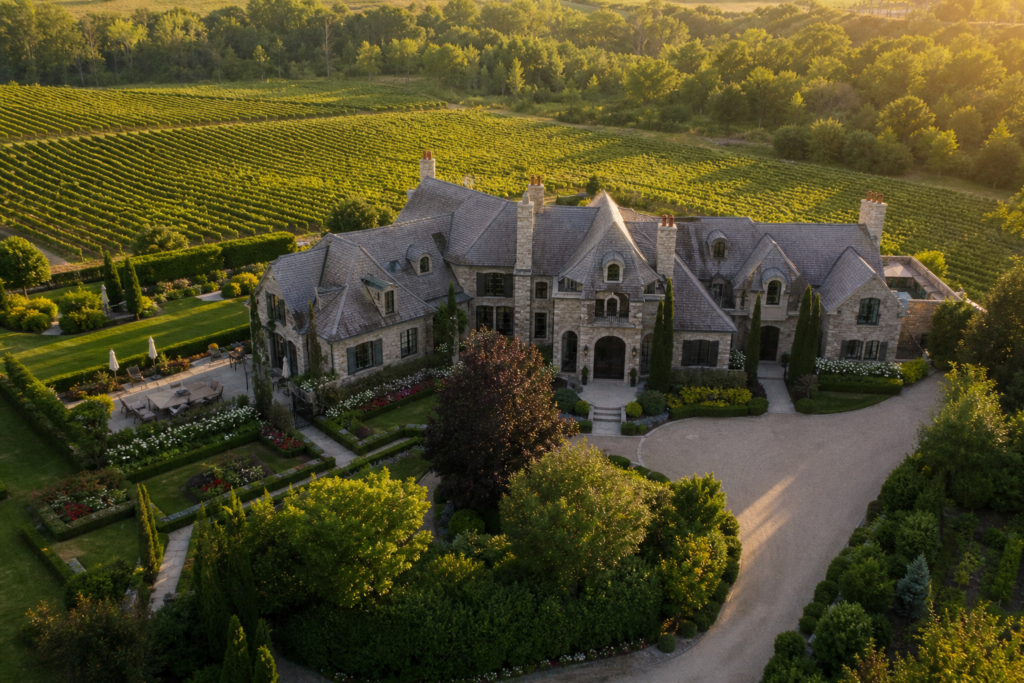
Real estate drone video is useful when it explains a property’s setting or site arrangement better than ground-level media alone. Before booking, define the information the aerial must show and ask the operator to assess the exact flight. Commercial use does not create one universal set of permissions for every drone and location.
Understand the current operation categories
Transport Canada’s categories include Basic, Advanced and Level 1 Complex. The applicable requirements depend on the aircraft, operation and location. Review the official category guidance rather than assuming a pilot certificate alone makes a proposed flight permissible.
Microdrones have an operating weight below 250 g. Their pilots do not need drone registration or a pilot certificate, but must still follow the applicable safety and other rules. They are not permission to fly recklessly, enter restricted airspace or ignore privacy. See Transport Canada’s microdrone guidance.
Ask about the actual property
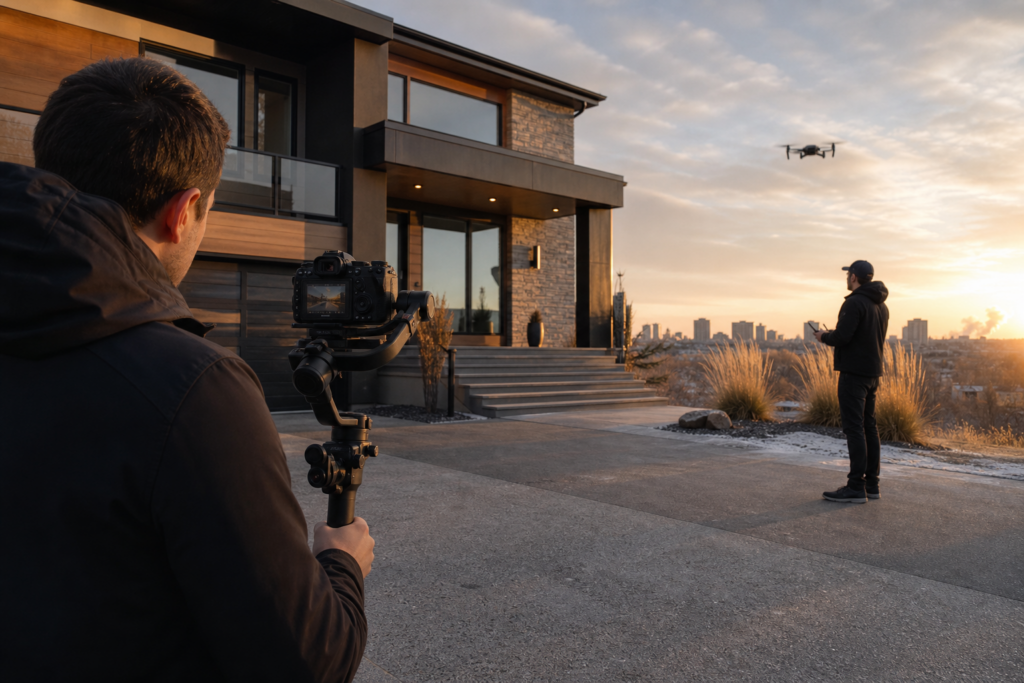
Give the operator the address, filming area, access instructions and requested features. Ask how people, obstacles, privacy, weather and airspace affect the plan. For operations requiring authorization in NAV CANADA-controlled airspace, NAV Drone supports flight planning and requests. Local access permission and aviation authorization are different matters.
Choose aerials that add information
- Show how the building, driveway and outdoor spaces relate to one another.
- Explain a large site or separate structures without inventing boundary accuracy.
- Use verified location labels when neighbourhood context matters.
- Pair elevated views with actual room-level views so the film remains clear.
A drone image is not a survey, inspection or proof of access rights. Check property descriptions before adding boundaries, dock access or development claims. Avoid unnecessary filming of neighbours and private spaces.
Compare costs by scope
Ask whether the quote supplies aerial photographs, raw footage, a finished drone edit or a segment within a listing film. Confirm travel, preparation, output formats, usage rights, editing and revisions. This guide does not claim one verified national average: site conditions and production scope vary.
Agree on what happens if the pilot cannot fly. A return visit, postponed shoot or ground-based alternative can affect the deadline and cost. No listing timetable should require an unsafe flight.
Prepare for a useful handoff
Tidy the exterior, arrange permitted access and identify privacy-sensitive areas before the crew arrives. Review the finished labels, property identification and perspectives before release. Confirm which files are included and where they may be used.
Coordinate the aerial with the property shoot checklist. The video package comparison guide helps decide whether drone coverage belongs in the wider production brief.
Ready to tell your story on camera?
Photography and video for Toronto and the GTA. Review the service scope and delivery timing before booking.