July 9, 2026 · 8 min read · Video Marketing

Luxury Real Estate Marketing Videos: Cinematic Ideas for High-End Listings

Luxury Real Estate Marketing Videos: Cinematic Ideas for High-End Listings

Luxury real estate marketing videos are not simply longer property tours with nicer music. For high-end listings, the video has to sell a lifestyle, create emotional distance from ordinary listings, and give qualified buyers a reason to book a private showing. In competitive Canadian markets like Toronto, Vancouver, Mississauga, Oakville, Calgary, and Montreal, the right creative direction can make a luxury home feel rare before a buyer ever steps inside.

Below is a comparison-style list of cinematic video ideas for premium listings, with concrete examples of when each concept works best. The goal is to help agents, developers, and homeowners choose a format that matches the property, the buyer profile, and the marketing budget.

1. The Lifestyle Film vs. The Standard Walkthrough

A standard walkthrough shows rooms in order. A lifestyle film shows how the home feels to live in. For luxury listings, the lifestyle format is usually stronger because buyers are not only comparing square footage; they are comparing privacy, status, design, convenience, and experience.

Best for: waterfront estates, designer homes, penthouses, custom builds, and properties with strong amenities.

Concrete example: Instead of opening with the foyer, the film starts with morning light over a lake, espresso being poured in a chef’s kitchen, sliding doors opening to a terrace, and a quiet shot of the primary suite. The viewer understands the property as a daily ritual, not a floor plan.

Use this when: the home has a clear emotional hook: entertaining, wellness, privacy, family living, or city luxury.

2. The Architectural Detail Film vs. The Feature Checklist

Luxury buyers notice materials. A cinematic video should highlight stone, millwork, lighting, ceiling height, fixtures, fireplaces, glass, landscaping, and custom finishes. The difference is in how those details are filmed. A checklist says “marble countertops.” A detail film shows light moving across the stone, the texture of the cabinetry, and the scale of the kitchen island.

Best for: newly built homes, architect-designed properties, renovated character homes, and listings with high-end finishes.

Concrete example: A slow push-in on a sculptural staircase, close-ups of brushed metal hardware, a low-angle shot of floor-to-ceiling windows, and a wide reveal of the open-concept living area. These shots tell buyers that the property was designed, not just decorated.

Use this when: the home’s value depends heavily on craftsmanship and visual quality.

3. The Drone Arrival Sequence vs. Basic Exterior Shots

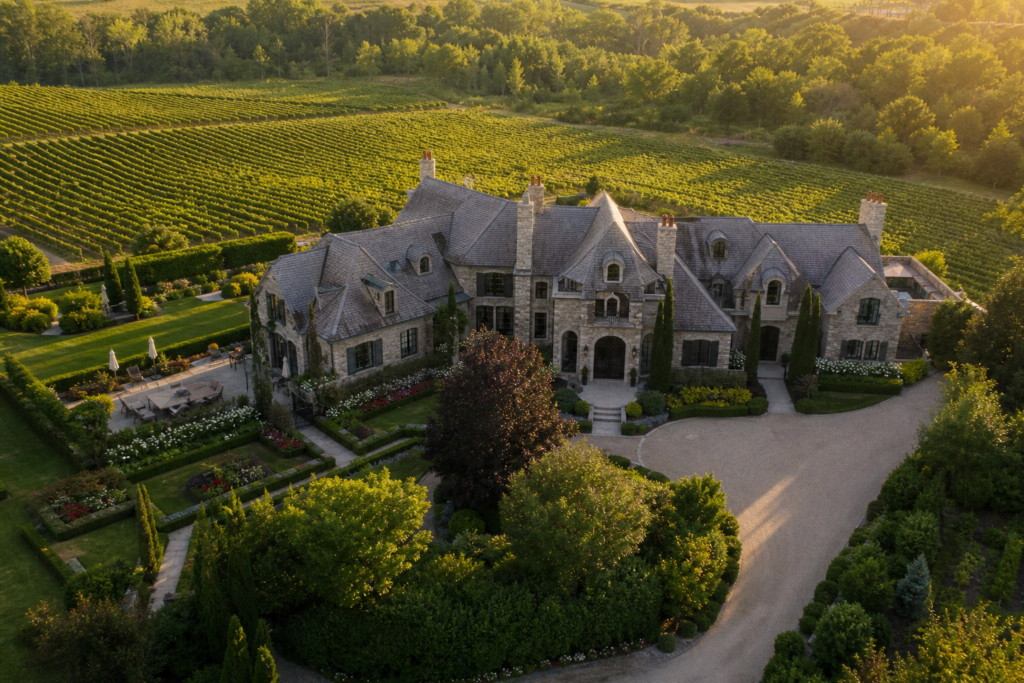
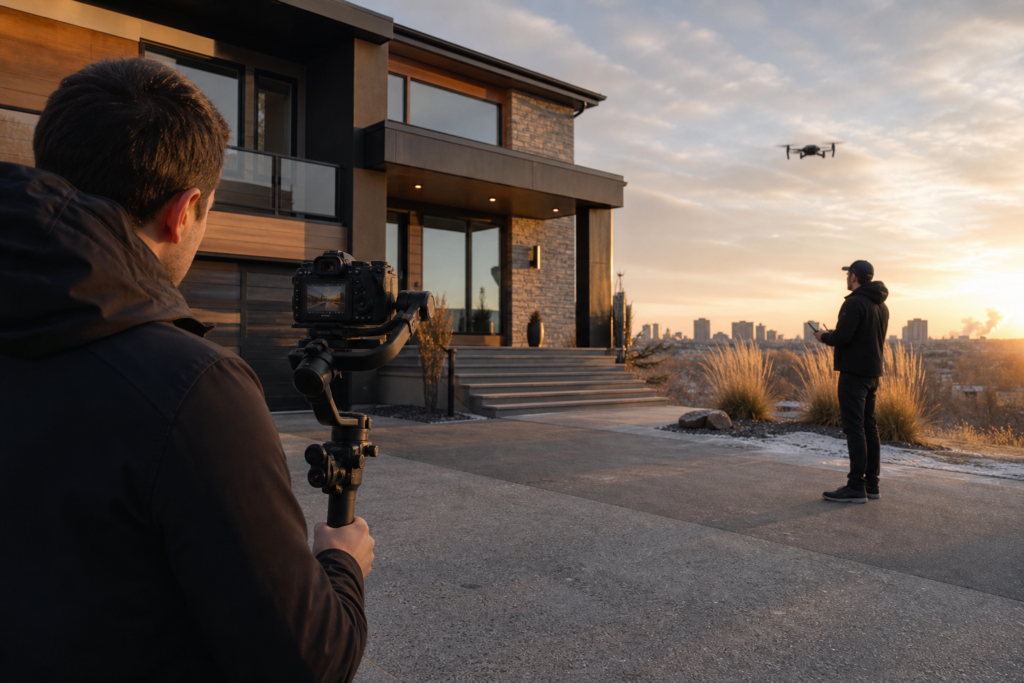
Drone footage can be overused, but for luxury real estate marketing videos it is powerful when it establishes setting. A drone arrival sequence shows the property’s relationship to water, ravines, golf courses, downtown skylines, mountains, or prestigious neighbourhoods.

Best for: large lots, waterfront homes, acreage estates, mountain-view properties, and luxury homes near recognizable landmarks.

Concrete example: For a West Vancouver home, the drone begins over the shoreline, rises to show the city and mountains, then moves toward the property. For an Oakville estate, the camera tracks over mature trees and reveals the home’s private grounds.

Use this when: location is part of the luxury story. If the surrounding area is visually strong, drone footage can make the listing feel more exclusive.

4. The Twilight Video vs. Daytime-Only Coverage

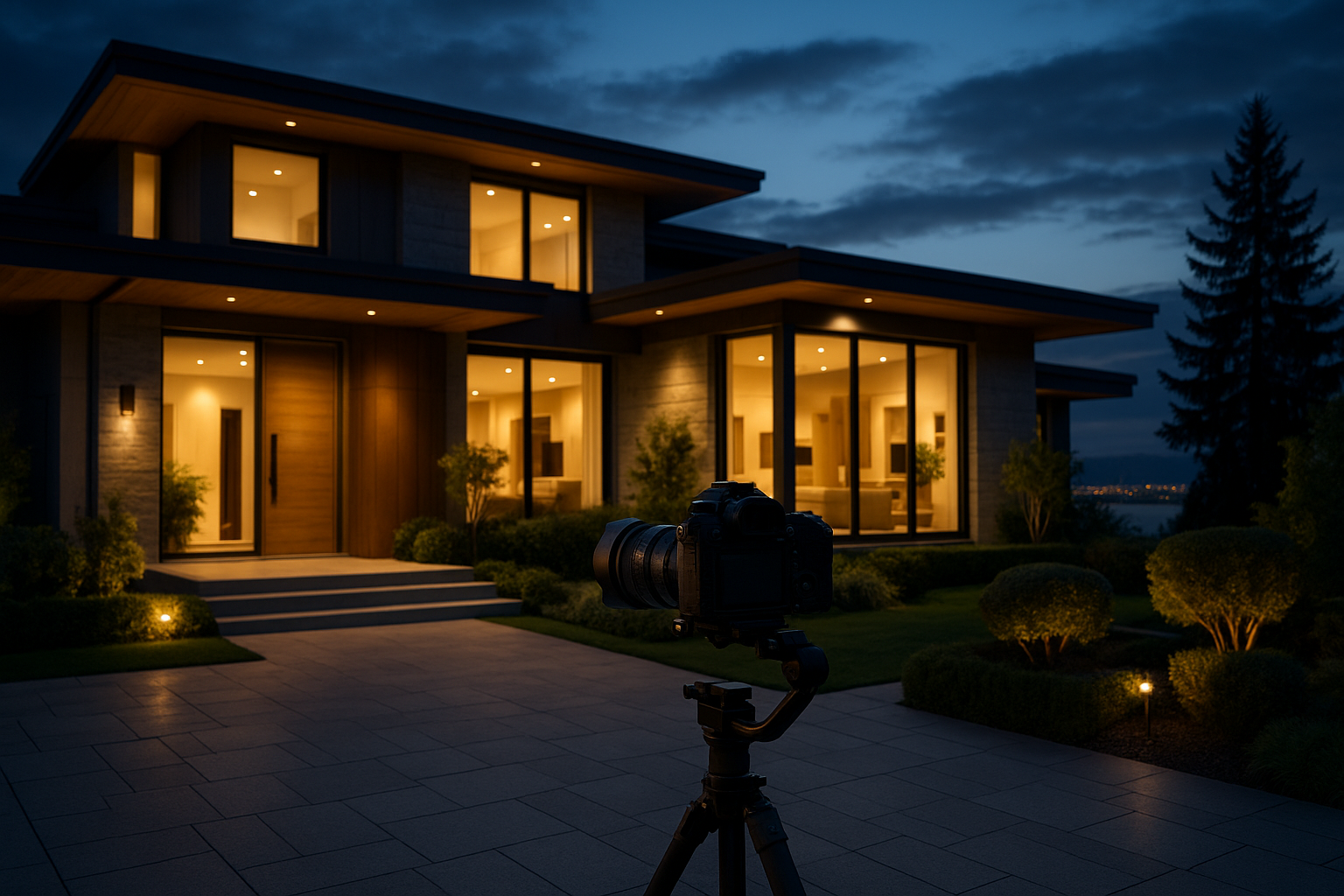
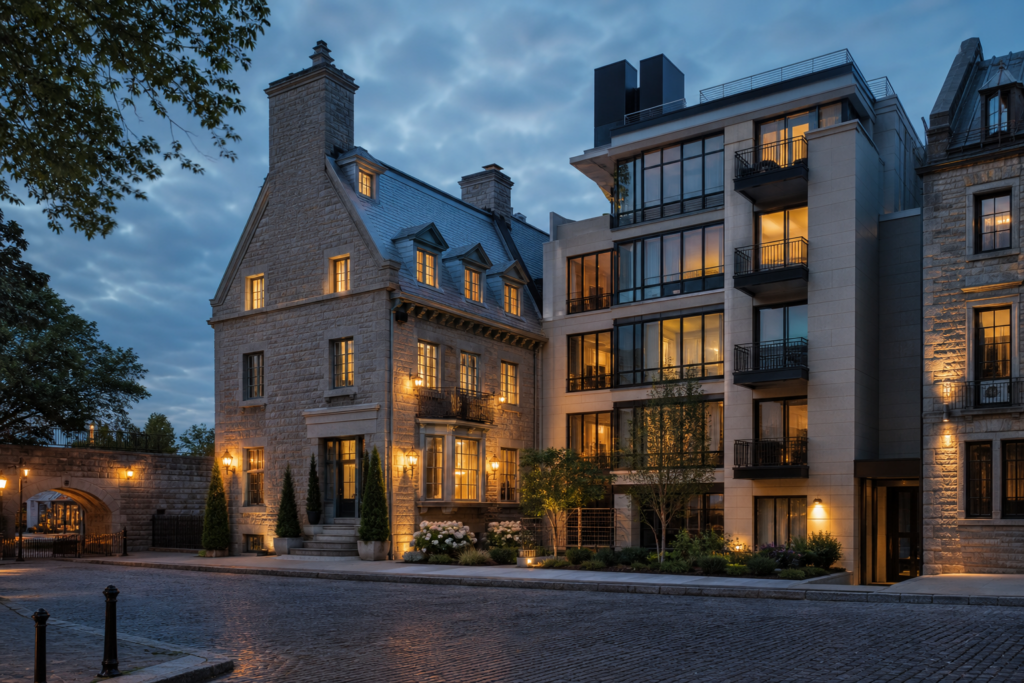
Daytime video shows brightness and layout. Twilight video adds mood, warmth, and drama. For high-end properties, twilight footage can elevate exterior architecture, pools, landscape lighting, city views, and entertaining spaces.

Best for: homes with exterior lighting, pools, terraces, skyline views, outdoor kitchens, or dramatic windows.

Concrete example: The video transitions from golden-hour exterior shots to interior evening scenes: pendant lights glowing over the kitchen, a fireplace on in the living room, and city lights visible from the primary bedroom. The property feels calm, private, and premium.

Use this when: the listing has strong evening appeal. For some luxury homes, twilight can be the difference between a nice video and a memorable one.

5. The Agent-Led Story vs. Voiceover-Only Narration

An agent-led luxury video can build trust, especially when the agent has a strong personal brand. The key is to avoid sounding like a scripted brochure. The best agent-led videos feel confident, concise, and editorial.

Best for: top-producing agents, exclusive listings, pre-construction luxury projects, and homes with a unique story that needs explanation.

Concrete example: The agent appears briefly at the entrance, introduces the home’s architectural concept, then reappears in the kitchen, backyard, and primary suite to explain what makes each area exceptional. The video still relies on cinematic visuals, but the agent guides the buyer’s attention.

Use this when: the listing benefits from context. If the home has custom design decisions, rare zoning, heritage value, or a premium location, an agent can help frame the value.

6. The Neighbourhood Lifestyle Segment vs. Property-Only Video

Luxury buyers often purchase the surrounding lifestyle as much as the home. A neighbourhood segment can show proximity to private schools, restaurants, marinas, golf clubs, parks, financial districts, or cultural destinations. This is especially useful for relocation buyers who may not know the area.

Best for: listings in Toronto, Vancouver, Calgary, Ottawa, Montreal, and luxury suburbs where the community adds value.

Concrete example: A Rosedale listing may include tree-lined streets, boutique cafés, nearby trails, and elegant streetscapes. A downtown penthouse may include skyline shots, restaurants, transit access, and evening city energy.

Use this when: the address is a selling point. If the neighbourhood helps justify the price, include it visually.

7. The Vertical Social Cut vs. One Long Main Video

A luxury listing should not rely on one video file. The main cinematic film is ideal for MLS links, YouTube, websites, email campaigns, and listing pages. Vertical edits are built for Instagram Reels, TikTok, YouTube Shorts, and paid social ads.

Best for: agents who promote listings across multiple platforms and want more reach from the same shoot.

Concrete example: The main video is a two-minute cinematic property film. From the same footage, the editor creates a 20-second vertical teaser focused on the kitchen, a 15-second drone reveal, and a 30-second lifestyle reel for Instagram. Each version has a different job.

Use this when: the goal is both presentation and distribution. High-end video should look polished, but it also needs to be formatted for where buyers actually watch.

8. The Seller Story vs. Pure Visual Marketing

Some luxury homes have a story that cannot be captured through visuals alone. A seller story or mini-documentary approach can add emotional depth when the property has history, a custom build journey, or a connection to art, architecture, or family living.

Best for: legacy estates, custom homes, architect-owned homes, and properties with unique provenance.

Concrete example: The film includes cinematic visuals of the home while a short interview explains why certain materials were chosen, how the outdoor space was designed for entertaining, or what makes the view special at different times of day.

Use this when: the story increases perceived value. Not every listing needs this approach, but for the right property it can make the home feel one-of-one.

Choosing the Right Video Concept for a High-End Listing

The best luxury real estate marketing videos are built around strategy, not just beautiful footage. A penthouse may need skyline drama and vertical social edits. A waterfront estate may need drone, twilight, and lifestyle scenes. A custom architectural home may need detail shots and a polished agent narrative.

  • If the property has views: prioritize drone, twilight, and window reveal shots.
  • If the property has custom finishes: prioritize architectural detail filming and slow interior movement.
  • If the property has a strong location: include neighbourhood lifestyle footage.
  • If the agent brand matters: use an agent-led format with cinematic support.
  • If social reach matters: plan vertical edits before the shoot, not after.

At Melon Media, the strongest results usually come from combining two or three concepts rather than forcing everything into one video. For example, a luxury Toronto listing might use an architectural detail film, an agent-led introduction, and vertical social cuts. A Vancouver waterfront property might lean into drone arrivals, twilight exteriors, and lifestyle moments around the view.

If you are preparing a premium listing and want a cinematic video strategy built around the property’s real selling points, book a production consultation with Melon Media here: schedule your real estate video shoot.

Further reading

Further reading

Also see: Melon Media: Toronto Real Estate Photography, Video & 3D Tours for GTA Listings

Also see: Calgary Real Estate Video Pricing: 2026 Guide for Realtors

Also see: Mississauga Real Estate Media Pricing Guide 2026

Ready to tell your story on camera?

Cinematic video production with 48–72h delivery, across Canada.

Book a session →
WhatsApp Chat with us