July 8, 2026 · 10 min read · Video Marketing

Real Estate Photography vs Video: Which Sells Homes Faster in Canada?

Real Estate Photography vs Video: Which Sells Homes Faster in Canada?

Real Estate Photography vs Video: Which Actually Helps Homes Sell Faster?

When agents compare real estate photography vs video, the honest answer is not that one replaces the other. Photography gets buyers to stop scrolling, open the listing, and compare rooms quickly. Video helps buyers feel the layout, flow, lifestyle, and emotional value of the home before booking a showing. In Canada’s competitive markets, especially Toronto, Vancouver, Ottawa, and fast-moving suburban areas, the fastest-selling listings usually use both strategically.

Quick answer: In Canada, real estate photography usually drives the first click, while video helps buyers understand layout, flow, and lifestyle before booking a showing. Homes often sell faster when both are used together: photos make the listing searchable and comparable, and video builds confidence, expands social reach, and reduces unqualified showings.

If your goal is speed, photography is the minimum requirement. If your goal is stronger buyer confidence, fewer wasted showings, and better social media reach, video can give the listing a bigger advantage. The best choice depends on the property type, price point, market conditions, and how urgently the seller needs results.

FAQ: Is Photography Still More Important Than Video?

Do buyers still look at photos first?

Yes. Listing photos are still the first filter for most buyers. On MLS, Realtor.ca, brokerage websites, and real estate portals, buyers usually scan the main photo, exterior, kitchen, living space, bedrooms, bathrooms, and backyard before reading every detail. Strong photography helps the listing earn the first click.

Professional real estate photography is especially important for condos, townhomes, starter homes, rentals, and properties where buyers are comparing many similar options. Clear, bright, accurate photos make the home feel trustworthy. Poor photos can make even a good property look smaller, darker, or less maintained than it really is.

So why add video if photos already work?

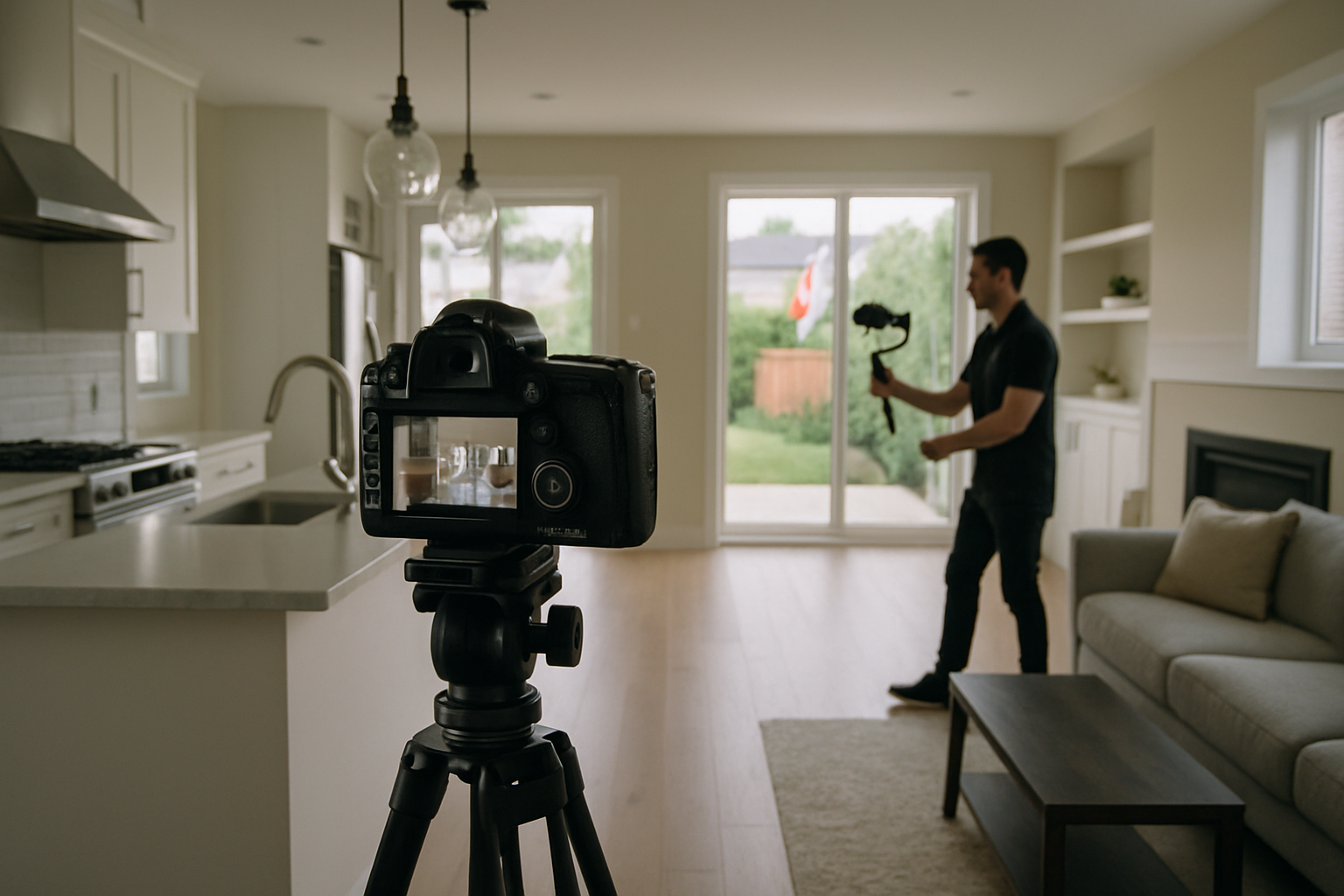
Video answers questions that still photos cannot. A buyer may like the kitchen photo, but they also want to know how the kitchen connects to the dining area, how large the living room feels, where the bedrooms are located, and whether the backyard has privacy. A listing video shows movement through the home and makes the property easier to understand.

Video also performs well outside traditional listing platforms. It gives agents content for Instagram, YouTube, Facebook, TikTok, email campaigns, landing pages, and paid ads. This matters because many buyers discover homes before they actively search MLS every day.

FAQ: Which One Sells Homes Faster in Canada?

Does real estate video shorten days on market?

Video can help reduce friction in the buyer journey, but it is not magic on its own. A listing still needs the right price, clean presentation, strong photos, and accurate marketing. However, when the property is well-priced and the media is professionally produced, video can help serious buyers make decisions faster.

In slower markets, video can keep a listing visible longer by creating more content to promote. In hot markets, video helps buyers decide whether to book a showing quickly, which can increase early momentum. For relocations, out-of-town buyers, investors, and busy professionals, video may be the difference between skipping the property and scheduling a viewing.

When does photography sell faster than video alone?

Photography is usually more important for the first wave of listing traffic. If a buyer is scrolling through 20 homes in Toronto, Vancouver, Ottawa, Mississauga, North York, Burnaby, or Barrie, they may not watch a video unless the photos already catch their attention. Photos create the first impression; video deepens it.

That is why video should not be used as a substitute for professional photos. A beautiful cinematic walkthrough attached to weak photos will underperform because many buyers may never click far enough to watch it.

FAQ: What Are the Best Use Cases for Photography?

Which listings absolutely need professional photos?

Every listing should have professional photography, but it is especially critical for:

  • Condos and apartments where space needs to feel open and bright.
  • Family homes where buyers compare kitchens, bedrooms, and yards.
  • Renovated properties where finishes need to be shown clearly.
  • Older homes where accurate lighting and angles can reduce buyer hesitation.
  • Investment properties where buyers want fast, factual visual information.

What makes real estate photos effective?

Effective listing photos are not just wide-angle shots. They need clean composition, balanced exposure, accurate colour, straight verticals, thoughtful sequencing, and editing that looks polished without feeling fake. Buyers should feel that the home looks inviting, but they should not feel misled when they arrive in person.

FAQ: What Are the Best Use Cases for Video?

Which homes benefit most from video?

Video is most valuable when the property has a story to tell. That includes luxury homes, large layouts, custom builds, waterfront properties, rural homes, architectural interiors, homes with premium renovations, and listings with impressive outdoor spaces. Video also helps properties where flow is a major selling point, such as open-concept main floors, finished basements, laneway suites, and multi-level family homes.

In major Canadian markets, video is also useful when the agent wants to build brand value. A polished listing video does not only promote the property; it also positions the agent as more professional, modern, and serious about marketing.

What type of video works best?

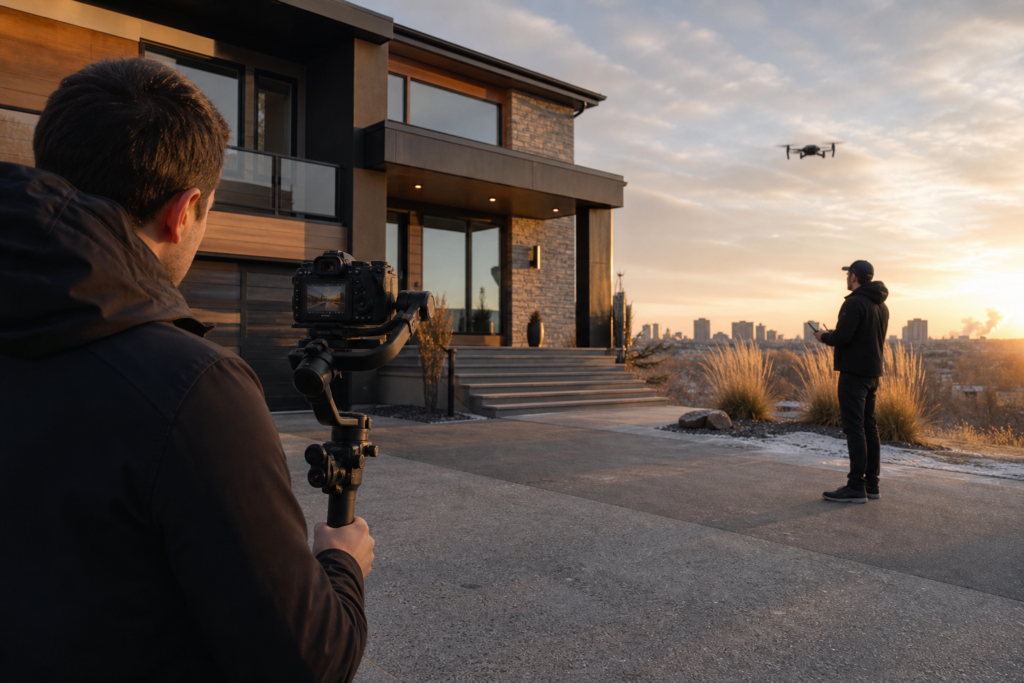
The best format depends on the listing. A short cinematic walkthrough is effective for most homes. A social-first vertical reel can create fast awareness. A longer guided tour may work well for luxury properties or remote buyers. Drone video can add context for large lots, waterfront, acreage, neighbourhood proximity, or unique exteriors, as long as it is produced legally and safely under Canadian drone rules.

FAQ: How Do Costs Compare?

Is photography cheaper than video?

Usually, yes. Real estate photography is typically the lower-cost foundation of a listing media package. Pricing varies by city, property size, travel, turnaround time, and editing requirements. In Canada, basic photography for a standard listing often costs less than a full video package because it requires less shooting time, less post-production, and fewer deliverables.

Video generally costs more because it involves camera movement, lighting decisions, sequencing, colour correction, music licensing, editing, revisions, and export formats for multiple platforms. Drone, agent-on-camera segments, voiceover, scriptwriting, and vertical social edits can increase the budget.

What is the practical budget approach?

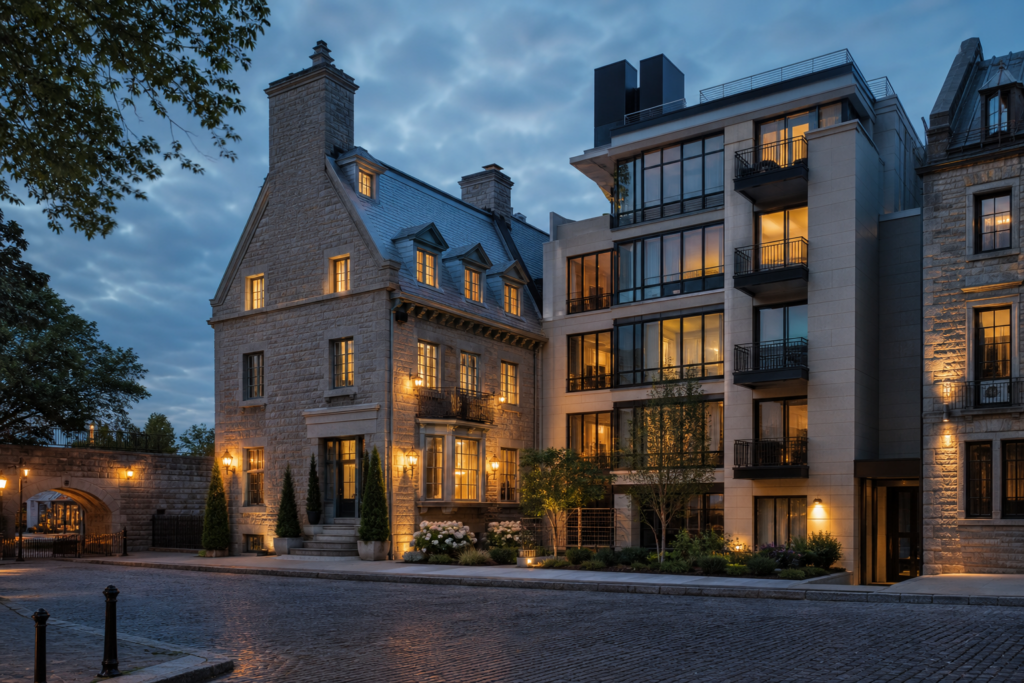
A smart budget is based on expected return, not just media cost. For a modest listing, professional photos plus a few social clips may be enough. For a mid-range detached home, photos, video, and drone can create a stronger campaign. For a luxury listing, the media should feel like a premium launch, with cinematic video, architectural photography, drone, twilight options, and social-ready edits.

FAQ: What Should Agents Choose for Different Property Types?

What is best for condos?

For condos, start with excellent photography. Add video when the building amenities, view, balcony, location, or interior design are meaningful selling points. A short vertical reel can be especially effective for urban condo marketing.

What is best for detached homes?

Detached homes often benefit from both. Photos show the key rooms quickly, while video explains the flow between living areas, bedrooms, basement, garage, and outdoor space. Drone can help when the lot, street, backyard, or neighbourhood context adds value.

What is best for luxury properties?

Luxury listings should almost always include both photography and video. High-end buyers expect a premium visual experience. Cinematic video helps communicate scale, lifestyle, craftsmanship, and emotion in a way that still images alone cannot.

FAQ: What Is the Best Strategy to Sell Faster?

Should agents publish photos and video at the same time?

Ideally, yes. Launching with a complete media package creates a stronger first impression during the most important period of listing visibility. The first 24 to 72 hours can shape buyer perception, showing activity, and agent confidence. If the media is released in stages, the listing may miss early momentum.

How should the content be used after launch?

Do not treat video as a single upload. Use the full video on the listing page, YouTube, and agent website. Cut shorter vertical edits for Instagram Reels, TikTok, Facebook, and YouTube Shorts. Use the best photos for MLS, feature sheets, email campaigns, thumbnails, and paid ads. The strongest results usually come from one shoot producing multiple assets.

The Verdict: Photography Gets the Click, Video Builds the Confidence

In the real estate photography vs video debate, the winning answer is simple: photography is essential, and video is the accelerator. Photos help buyers notice the listing and compare it quickly. Video helps them understand the space, feel the lifestyle, and take action with more confidence.

For Canadian agents who want faster sales, stronger presentation, and better marketing content, the best approach is not choosing one over the other. It is building a listing media plan around the property’s value, audience, and market timing.

If you are preparing a listing in Canada and want the right mix of photography, video, drone, and social media edits, Melon Media can help you plan a package that fits the property and budget. Book your real estate media shoot here.

Further reading

Frequently asked questions

Is real estate photography or video more important for selling a home?

Photography is still the minimum requirement because buyers usually judge listings first by photos on MLS, Realtor.ca, and brokerage sites. Video becomes more valuable when you need to show layout, flow, outdoor space, renovations, or lifestyle. For most Canadian listings, photography gets attention first, while video strengthens buyer confidence.

Does real estate video help homes sell faster in Canada?

Real estate video can help homes sell faster when it gives buyers a clearer sense of the property before they visit. It is especially useful for larger homes, luxury listings, unique layouts, rural properties, and competitive urban markets. Video also gives agents more content for social media, email, ads, and listing pages.

When is photography enough and when should agents add video?

Photography may be enough for smaller condos, rentals, starter homes, or very fast-moving low-inventory markets where buyers already understand the product. Agents should add video for higher-priced homes, properties with strong design features, unusual layouts, scenic views, large lots, or listings that need more emotional impact and wider digital reach.

Ready to make your listing stand out?
Book professional real-estate photography & cinematic video for your next listing — trusted by realtors across Toronto & the GTA.
Book your shoot →

Further reading

Also see: Real Estate Drone Photography Toronto | Aerial Listing Photos & Video

Also see: Vancouver Luxury Real Estate Video That Sells

Also see: Ottawa Real Estate Media Packages: Photo, Video & Drone Costs in 2026

Also see: Vancouver Real Estate Video: 2026 Costs & Drone ROI

Ready to tell your story on camera?

Cinematic video production with 48–72h delivery, across Canada.

Book a session →
WhatsApp Chat with us