Canadian Real Estate Video Case Studies
- Case Study 1: Luxury Toronto Listing With Cinematic Storytelling
- Case Study 2: Pre-Construction Condo Launch in the GTA
- Case Study 3: Suburban Family Home With Social-First Video
- Case Study 4: Agent Brand Campaign for a Toronto Team
- 2026 Trends Behind Successful Real Estate Video Campaigns
- How to Build a Real Estate Video Campaign That Performs
- Key Takeaway
Real estate video has moved from a premium add-on to a practical sales and lead-generation tool. In 2026, Canadian agents, brokerages, developers, and property marketers are asking a sharper question: not simply “Should we use video?” but “Which video campaign will produce the strongest return for this listing, community, or brand?” These video marketing case studies show how different real estate teams can use cinematic production, social-first edits, drone footage, lifestyle storytelling, and paid media assets to improve visibility and buyer confidence.
The examples below are based on common Canadian market scenarios, with a focus on Toronto, the GTA, and comparable urban and suburban regions. Each case study includes the campaign strategy, likely 2026 pricing range, measurable outcomes to track, and practical lessons for planning your next real estate video campaign.
Case Study 1: Luxury Toronto Listing With Cinematic Storytelling
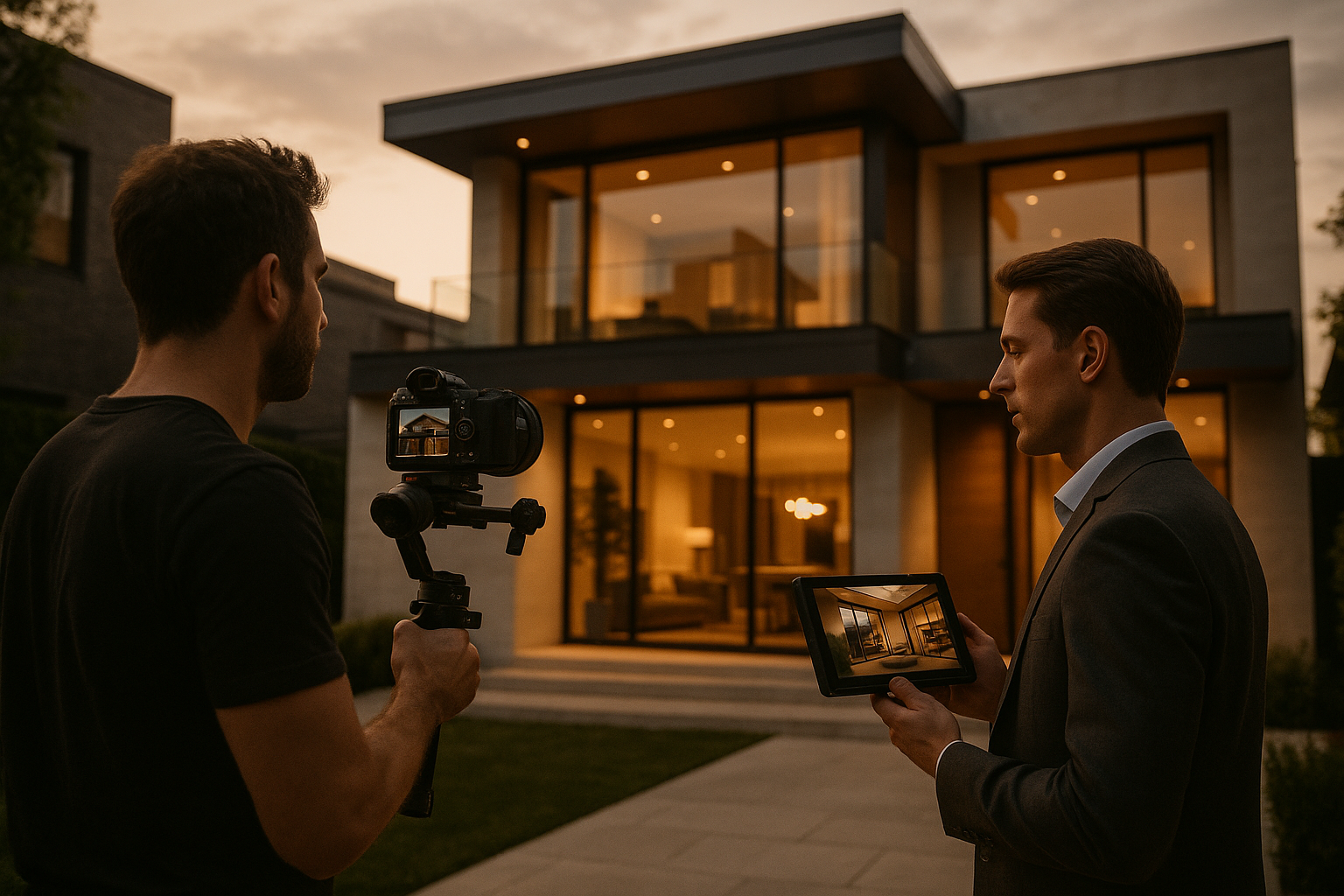
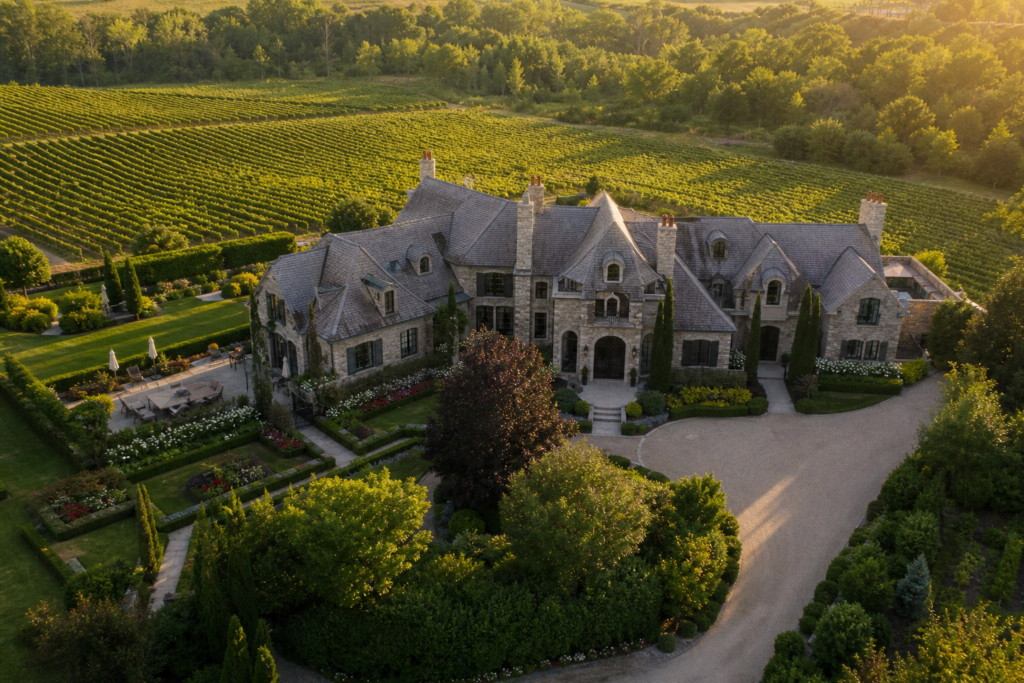
A top-producing Toronto agent was preparing to list a detached luxury home in Forest Hill. The property had strong architectural details, custom millwork, a landscaped backyard, and a finished lower level. Photography alone could show the rooms, but the listing needed to communicate lifestyle, flow, and emotional value to high-net-worth buyers.
Campaign approach
The video campaign included a cinematic listing film, twilight exterior shots, drone establishing footage, agent-hosted introduction, vertical reels, and short teaser cuts for Instagram, YouTube Shorts, and paid social. Instead of producing a simple walkthrough, the creative direction emphasized movement through the home: arrival, entertaining, family living, spa-like retreat, and neighbourhood proximity.
2026 pricing range
For a Toronto luxury listing, a campaign of this size typically ranges from $2,500 to $6,500 depending on crew size, scripting, drone permissions, lighting package, editing complexity, revisions, and turnaround speed. Add-ons such as lifestyle talent, advanced colour grading, paid ad cutdowns, and floor plan animation can increase the investment.
Results to measure
- Higher listing page engagement and longer time on page.
- Increased qualified showing requests from buyers already familiar with the property layout.
- Stronger social reach from vertical edits and teaser clips.
- Improved perception of the agent’s brand in the luxury segment.
The main ROI lesson is that luxury video should not only document the property. It should position the home as an experience. When the video is built as a full campaign, the agent also gains content for listing promotion, personal branding, email marketing, and future seller presentations.
Case Study 2: Pre-Construction Condo Launch in the GTA
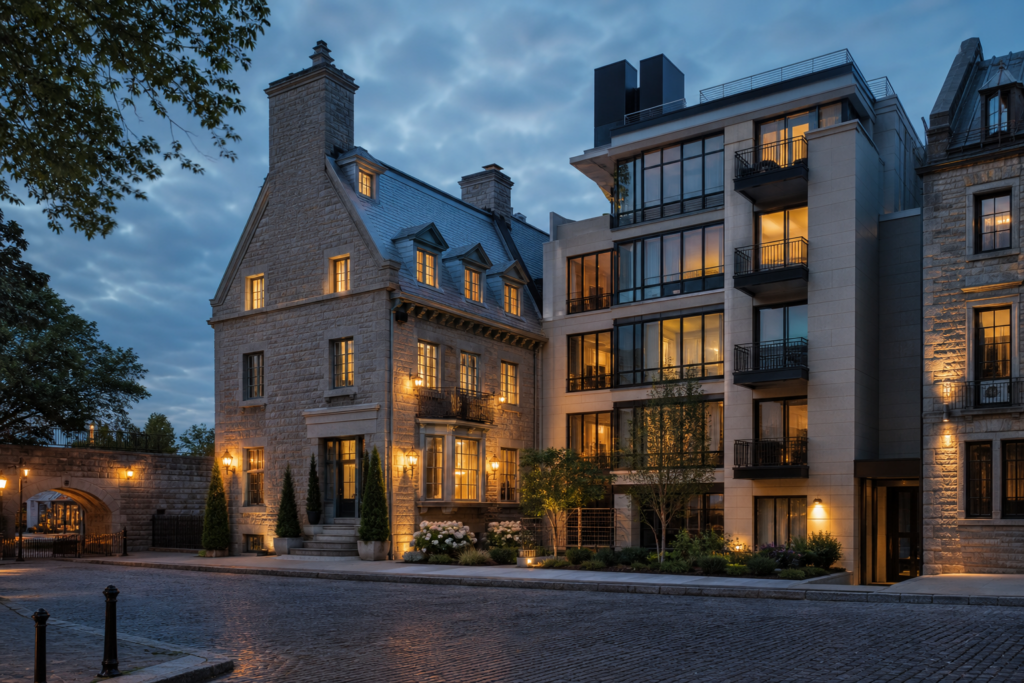
A developer launching a mid-rise condominium project in the GTA needed to generate early registrations before the sales centre opened. Since the building was not complete, the challenge was to sell the vision: location, amenities, design, transit access, and investment potential.
Campaign approach
The production combined neighbourhood lifestyle footage, interviews with the development team, animated render integration, drone footage of the site, and short social ads aimed at investors, downsizers, and first-time buyers. The video was not treated as one asset. It became a launch ecosystem: a two-minute hero film, 30-second paid ads, 15-second retargeting clips, vertical reels, and sales presentation content.
2026 pricing range
A pre-construction campaign in Canada commonly ranges from $8,000 to $25,000 or more, depending on the number of shoot days, render animation requirements, interview production, talent, music licensing, and campaign deliverables. For larger developments, video budgets can scale significantly when multiple phases, languages, or seasonal location footage are required.
Results to measure
- Cost per registration from paid campaigns.
- Landing page conversion rate after video placement.
- Sales team usage in presentations and email follow-ups.
- Retargeting performance from short-form video ads.
The key lesson is that development video should reduce uncertainty. Buyers cannot walk through a finished building, so the campaign must make the neighbourhood, architecture, lifestyle, and purchase rationale feel tangible. The strongest results usually come when production planning is aligned with the media buying funnel from the start.
Case Study 3: Suburban Family Home With Social-First Video
A brokerage team in Mississauga listed a renovated family home near schools, parks, and commuter routes. The property was attractive but not ultra-luxury, so the team needed a cost-effective campaign that would stand out in a competitive mid-market category.
Campaign approach
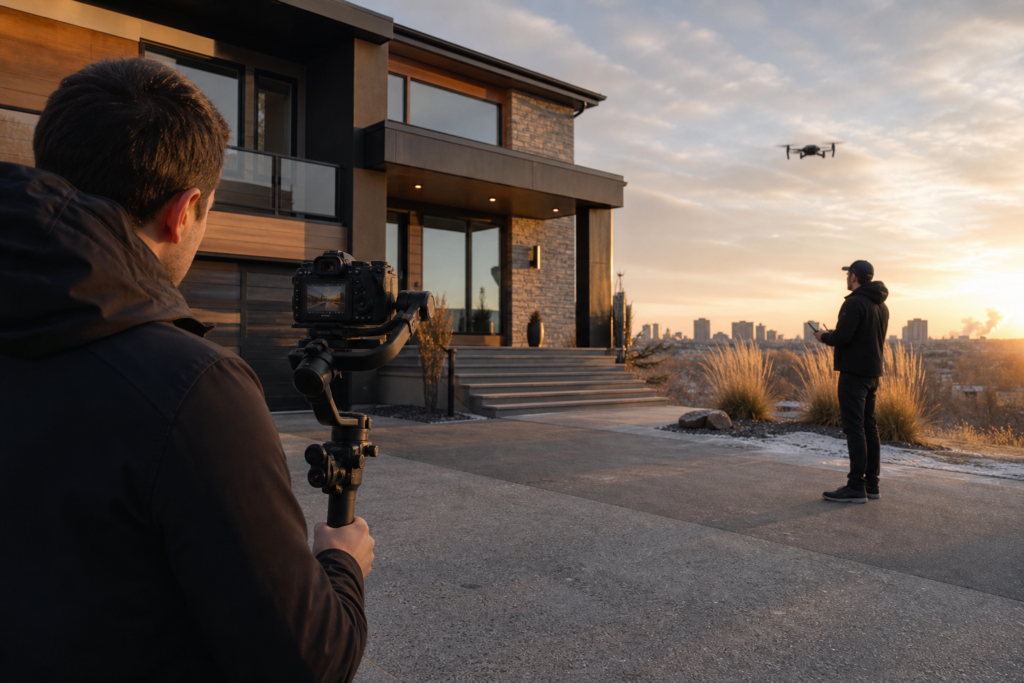
The production focused on a polished 60 to 90-second listing video, drone neighbourhood clips, bright interior motion shots, and three vertical reels highlighting the kitchen, backyard, and local amenities. The agent used the video in MLS-compatible links, Instagram, Facebook, email newsletters, and an open house announcement campaign.
2026 pricing range
For a suburban listing campaign, Canadian pricing typically ranges from $900 to $2,500. A lean package may include a short listing video and basic vertical edit. A stronger campaign may include drone, agent on-camera segments, neighbourhood footage, captions, multiple social versions, and faster turnaround.
Results to measure
- Open house attendance and listing inquiries.
- Social saves, shares, and direct messages.
- Number of buyers arriving with stronger property familiarity.
- Seller satisfaction and referral potential.
This case shows that cinematic does not always mean expensive. The most effective mid-market campaigns are clear, fast, and strategic. They identify the top three buyer motivations and turn those into short, repeatable content pieces that support the listing across multiple channels.
Case Study 4: Agent Brand Campaign for a Toronto Team
A real estate team operating across Toronto and the west GTA wanted more than listing videos. They needed a brand campaign that would communicate trust, local expertise, and professionalism to future sellers. The goal was to create evergreen content that could be used for six to twelve months.
Campaign approach
The campaign included a brand film, client testimonial videos, neighbourhood explainers, market update templates, and short vertical clips for LinkedIn, Instagram, and YouTube. The team filmed in multiple locations, including active streetscapes, featured communities, and a professional office environment.
2026 pricing range
Agent and brokerage brand campaigns often range from $4,000 to $15,000, depending on the number of videos, shoot locations, interview setup, scripting, and post-production deliverables. While this is a larger upfront investment than a single listing video, the content has a longer shelf life and can support seller lead generation, recruiting, and referral marketing.
Results to measure
- Increase in listing presentation conversion rate.
- Lead quality from website and social campaigns.
- Engagement on educational and testimonial videos.
- Consistency of brand presence across platforms.
The ROI lesson is that brand video compounds. A listing video is tied to one property, while brand content can influence many prospects over time. For teams competing in dense markets like Toronto, trust-building video can help sellers choose an agent before the first consultation.
2026 Trends Behind Successful Real Estate Video Campaigns
Across these video marketing case studies, several trends are becoming clear in Canada. First, vertical video is no longer optional. A cinematic hero film may anchor the campaign, but short-form deliverables drive reach and retargeting. Second, buyers expect context, not just interiors. Neighbourhood footage, transit access, lifestyle amenities, and local credibility matter.
Third, AI-assisted workflows are improving speed but not replacing creative direction. Automated captions, rough selects, and versioning can help, but strategy, camera movement, lighting, audio, and editing taste still determine perceived quality. Fourth, ROI is increasingly measured beyond views. Serious teams track leads, booked showings, registrations, cost per inquiry, watch time, and how video supports conversations with buyers and sellers.
How to Build a Real Estate Video Campaign That Performs
Before hiring a production company, define the business goal. A luxury listing may need emotional storytelling. A condo launch may need lead generation. A brokerage may need authority content. A mid-market property may need fast social reach. The right package depends on the sales objective, not on the camera alone.
Ask your production partner for a deliverables plan, not just a video quote. A strong 2026 package should clarify the number of edits, formats, aspect ratios, revision rounds, licensing, drone requirements, turnaround time, and recommended use cases. If you plan to run ads, request versions built for the funnel: awareness, retargeting, and direct response.
Finally, plan distribution before filming. The best video will underperform if it is uploaded once and forgotten. Use it on the listing page, MLS links where allowed, social channels, YouTube, email campaigns, landing pages, open house promotions, and seller presentations. Repurposing is where much of the ROI is created.
Key Takeaway
Effective real estate video campaigns are not one-size-fits-all. The winning approach depends on property type, buyer profile, market conditions, and the value of the transaction. In 2026, Canadian real estate professionals who treat video as a strategic campaign asset will be better positioned to attract attention, build trust, and convert interest into action.
If you are comparing cinematic real estate video production options in Toronto or across Canada, start with a campaign plan built around your goals, budget, and expected ROI. Book a consultation to discuss the right video strategy for your next listing, development, or real estate brand campaign.
Further reading
Ready to tell your story on camera?
Cinematic video production with 48–72h delivery, across Canada.