July 11, 2026 · 8 min read · Video Marketing

Edmonton Real Estate Drone Video: Rules, Pricing and ROI for 2026

Edmonton Real Estate Drone Video: Rules, Pricing and ROI for 2026

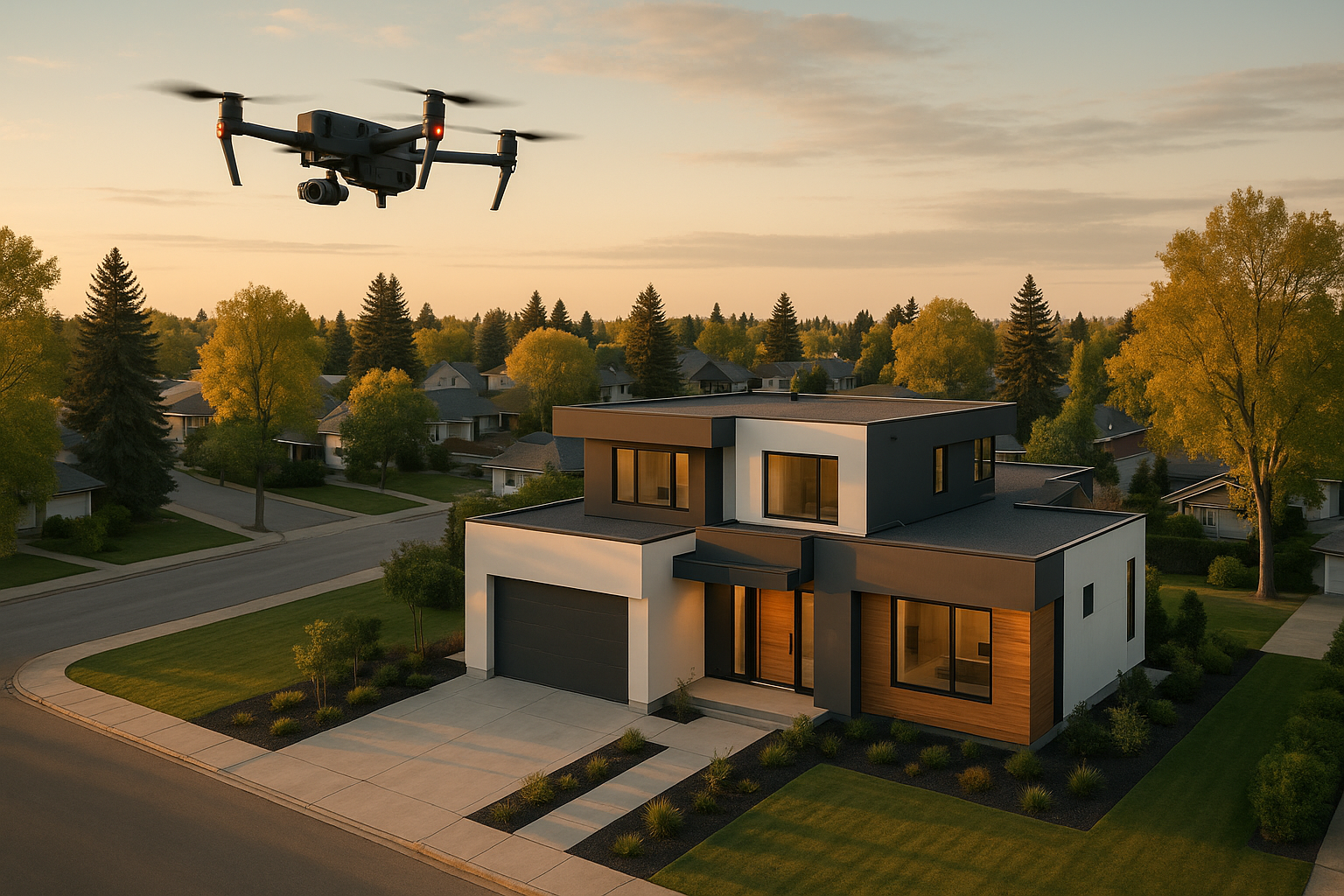
Edmonton real estate drone video is becoming a practical marketing tool for agents, builders and property owners who need to show more than a front elevation. Aerial footage can reveal lot size, ravine access, nearby parks, acreage boundaries, commercial exposure and neighbourhood context in a way ground-level media cannot. For 2026, the biggest questions are simple: is drone video legal in Edmonton, how much should it cost, and when does it actually improve the listing campaign?

FAQ: Edmonton Real Estate Drone Video in 2026

Is drone video allowed for real estate listings in Edmonton?

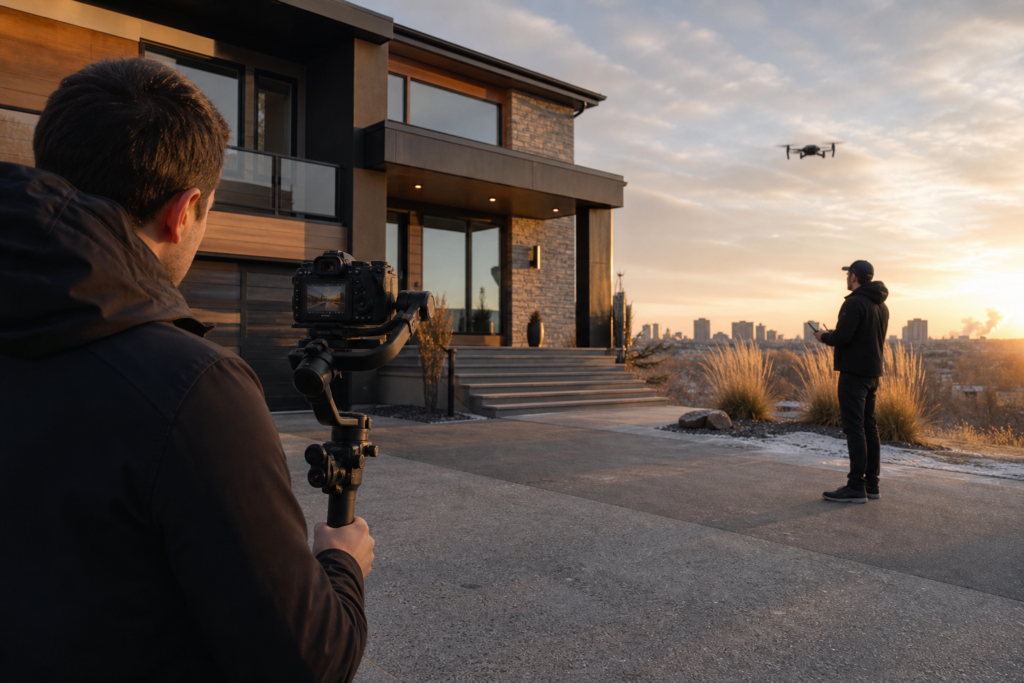
Yes, drone video is allowed for real estate marketing in Edmonton when it is flown legally and safely under Transport Canada’s Remotely Piloted Aircraft System rules. A drone used for paid real estate work is not treated like a casual toy flight. The pilot must follow Canadian aviation rules, respect local airspace restrictions, maintain safe operating procedures and avoid creating risk for people, property or aircraft.

For agents, the key point is this: do not treat drone footage as a quick favour from someone with a consumer drone. A legal commercial-style real estate flight requires proper planning, an appropriate pilot certificate for the operation, airspace checks and insurance. If the home is near controlled airspace, hospitals, heliports, airports or other sensitive zones, the planning step matters even more.

What drone rules affect Edmonton listings the most?

The most important rules are based on aircraft weight, pilot certification, airspace and proximity to people. Many real estate drones weigh between 250 g and 25 kg, which usually places them under Transport Canada RPAS requirements. Depending on the location and flight conditions, the pilot may need a Basic or Advanced Pilot Certificate, and the drone may need to be registered.

Edmonton has several airspace considerations. Properties may be affected by proximity to Edmonton International Airport, Villeneuve Airport, Cooking Lake Airport, CFB Edmonton, hospital heliports and controlled airspace corridors. A responsible drone operator will check the location using official airspace tools before confirming the shoot. In some areas, permission or coordination may be required before flying.

Real estate flights must also consider people on sidewalks, neighbouring yards, roads and public areas. Flying directly over uninvolved people or too close to them can create compliance issues. This is why experienced operators plan takeoff points, camera angles and flight paths before the drone leaves the ground.

How much does Edmonton real estate drone video cost in 2026?

For Edmonton in 2026, typical drone pricing depends on whether aerial media is booked as an add-on or as part of a complete listing package. A basic aerial photo add-on may range from about $150 to $300 when combined with interior photography. A short drone video add-on often falls between $250 and $500, depending on location, editing and required flight planning.

A complete real estate media package with interior photography, cinematic video and drone footage commonly ranges from $600 to $1,200 for standard residential listings. Larger homes, luxury properties, acreages, builder showcases and commercial listings may range from $1,200 to $2,500 or more when the project includes extended filming time, advanced editing, vertical social versions, twilight work, voiceover, scripting or multiple locations.

Pricing can increase if the property is outside Edmonton, requires additional permissions, needs a second visit because of weather, or involves complex acreage mapping and boundary storytelling. The cheapest drone quote is not always the best value if it skips legal planning, insurance, colour grading or useful editing.

What should be included in a good drone video package?

A useful Edmonton real estate drone package should include more than random aerial clips. The goal is to support the sales story. For most listings, the package should include:

  • Pre-flight airspace and weather review
  • Licensed and insured drone operation where required
  • Exterior aerial video clips of the home and lot
  • Neighbourhood context shots when appropriate
  • Smooth edited footage matched to the listing video
  • MLS-friendly and social media-friendly export options
  • Clear delivery timelines for agents working under listing deadlines

For higher-end listings, agents may also request a 60 to 90 second cinematic video, a 15 to 30 second vertical reel, aerial stills for feature sheets, twilight exteriors and separate clips for paid ads. Drone media works best when it is integrated with the rest of the campaign rather than delivered as disconnected footage.

When does drone video deliver the best ROI?

Drone video delivers the strongest return when the aerial view reveals something that helps a buyer understand value quickly. In Edmonton, that often includes ravine properties, river valley proximity, large lots, infill homes with strong neighbourhood positioning, acreages around the city, homes near golf courses, properties backing onto green space and commercial buildings with visible access or frontage.

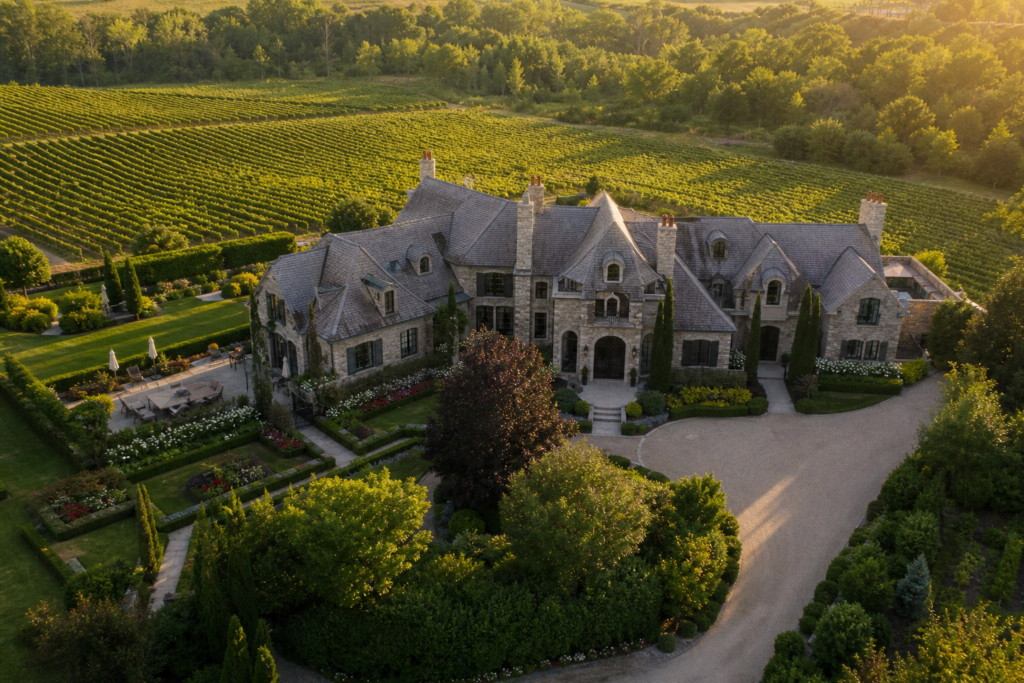
For a standard suburban home on a typical lot, drone video can still improve presentation, but the ROI depends on execution. A few elegant establishing shots may be enough. For a luxury home, acreage or builder project, aerial video can become one of the most important parts of the campaign because it shows scale, privacy, landscaping, approach and location advantages.

ROI is not only about selling faster. It can also help agents win future listings. Sellers notice when a marketing plan includes professional aerial media, especially when competing agents only offer basic photos. Strong drone content can become part of an agent’s brand, listing presentation and social media presence.

Is drone video worth it for condos or townhomes?

Sometimes. Drone video is less useful when a condo listing has no exterior story, limited building access or a dense location where flying is not practical. However, it can be valuable for condo buildings near the river valley, downtown views, transit, universities, parks or major amenities. In those cases, aerial footage can show lifestyle and location, not just the unit itself.

For townhomes, drone video can help when the development has attractive architecture, green space, walkability, visitor parking, nearby amenities or a strong site layout. The best decision is based on whether the aerial perspective answers a buyer question that photos cannot answer.

What can stop a drone shoot from happening?

Weather is the most common issue. Edmonton wind, snow, rain, low visibility and extreme cold can affect drone safety and footage quality. A professional operator should be willing to reschedule when conditions are unsafe or when footage would look poor. Airspace restrictions can also limit a shoot, especially near controlled zones or sensitive locations.

Property conditions matter too. Vehicles in the driveway, unfinished landscaping, garbage bins, construction materials and neighbouring activity can reduce the quality of aerial footage. For best results, agents should prepare the exterior just as carefully as the interior before the shoot.

How should agents use drone video after delivery?

The best use of drone footage is multi-channel. The aerial clips should appear in the main listing video, but they can also be cut into vertical reels, Instagram stories, YouTube Shorts, Facebook ads, listing presentation examples and email campaigns. Aerial stills can be used on MLS, brochures and feature sheets.

For premium listings, agents should consider creating separate versions for different audiences: a polished cinematic version for the listing page, a faster social edit for attention, and a short teaser for launch day. This helps the same drone shoot create more marketing value without needing multiple production days.

What should Edmonton agents ask before booking a drone operator?

Before booking, ask whether the operator checks airspace, carries insurance, understands Transport Canada requirements, offers both horizontal and vertical edits, and has experience with real estate pacing. Also ask how quickly files are delivered and whether the drone work is planned around the property’s actual selling features.

A good provider should be able to explain when drone video is worth it and when it is not. That honesty protects your budget and helps ensure the final media supports the listing strategy.

Bottom Line: Drone Video Should Make the Listing Easier to Understand

Edmonton real estate drone video is most valuable when it clarifies location, scale, privacy, land, views or lifestyle. In 2026, the winning approach is not simply flying high over a house. It is planning legal, polished aerial footage that connects to the buyer’s questions and gives the agent more content to market the property across MLS, social media and listing presentations.

If you are preparing a listing in Edmonton and want cinematic real estate video, aerial footage or a complete media package, book a production plan with Melon Media here: schedule your shoot.

Further reading

Further reading

Also see: Winnipeg Real Estate Photography and Video Costs: 2026 Realtor Guide

Also see: Halifax Real Estate Photo & Video Packages 2026

Ready to tell your story on camera?

Cinematic video production with 48–72h delivery, across Canada.

Book a session →
WhatsApp Chat with us