June 21, 2026 · 7 min read · Video Marketing

2026 Real Estate Media Trends for Canada

2026 Real Estate Media Trends for Canada

Future Trends in Real Estate Media for 2026

The biggest real estate media trends for 2026 are practical, measurable, and built around speed. Canadian agents, brokerages, developers, and property-focused businesses are no longer asking whether video matters. They are asking which media package will help a listing sell faster, attract better leads, support a premium brand, and justify its cost in a competitive market like Toronto.

In 2026, real estate media is becoming less about one beautiful listing video and more about a complete content system. A single shoot can now produce cinematic listing films, vertical reels, agent profile clips, paid ad assets, community highlights, drone content, and short-form educational pieces. For Toronto real estate teams, this shift is especially important because media budgets must work across MLS, Instagram, YouTube, TikTok, Google Ads, landing pages, and brokerage presentations.

1. Cinematic Video Becomes the Standard, Not the Upgrade

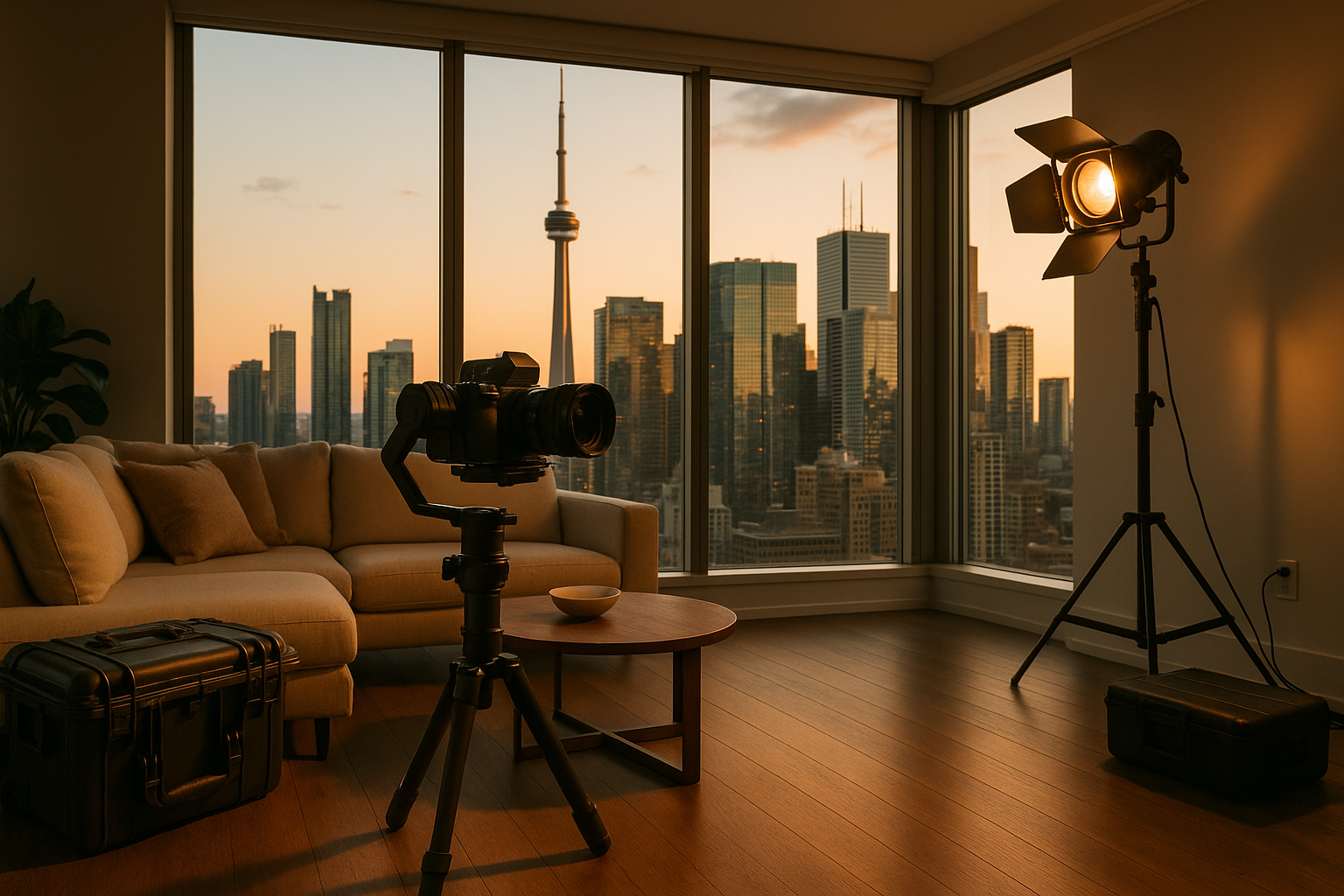
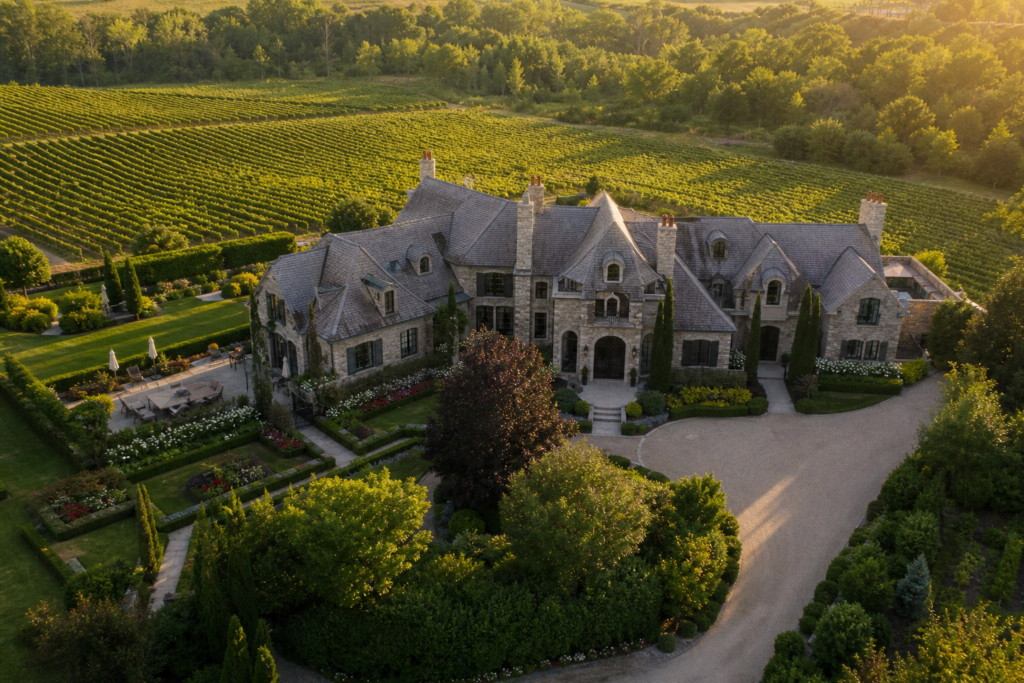
In many Canadian markets, professional photography is expected. In 2026, cinematic video is moving into that same category for higher-value listings, luxury rentals, pre-construction launches, and brand-conscious agents. Buyers want to understand flow, scale, lifestyle, and neighbourhood context before they book a showing. A polished film does that better than still images alone.

For Toronto listings, cinematic video pricing typically depends on property size, shoot time, crew size, scripting, drone requirements, editing complexity, and turnaround. A practical 2026 range for a professionally filmed listing video in Canada is often $750 to $2,500 for standard residential work, while luxury, commercial, developer, or multi-location productions may range from $3,000 to $10,000 or more. The key trend is not simply higher production value. It is strategic production value tied to distribution and ROI.

2. Vertical Video Packages Will Drive More Lead Generation

Short-form vertical video remains one of the most important real estate media trends because buyers and sellers spend so much time on mobile platforms. In 2026, agents should expect more production companies to offer packages that include both a horizontal cinematic film and multiple vertical edits. These can include 15-second teaser clips, 30-second walkthroughs, neighbourhood reels, agent-led talking clips, and paid ad versions.

This matters because one listing video may reach only a portion of an audience, while a bundle of vertical clips can create repeated visibility over several weeks. For agents, the ROI often comes from more than selling one home. The content also signals professionalism to future sellers who are watching the campaign unfold online.

3. AI Will Speed Up Editing, But Human Creative Direction Still Wins

AI-assisted editing, transcription, shot selection, captioning, repurposing, and versioning will become normal in 2026. This can help reduce turnaround times and make content packages more efficient. However, AI will not replace strong creative direction, lighting, camera movement, composition, interviewing, or local market judgement.

The best Canadian real estate media teams will use AI behind the scenes to deliver faster drafts, smarter social cutdowns, and better campaign variations. But the final product still needs a human eye. A luxury Yorkville condo, a family home in North York, a waterfront property in Muskoka, and a pre-construction sales centre in the GTA all require different visual language.

4. Drone, 3D Tours, and Floor Plans Will Be Bundled More Often

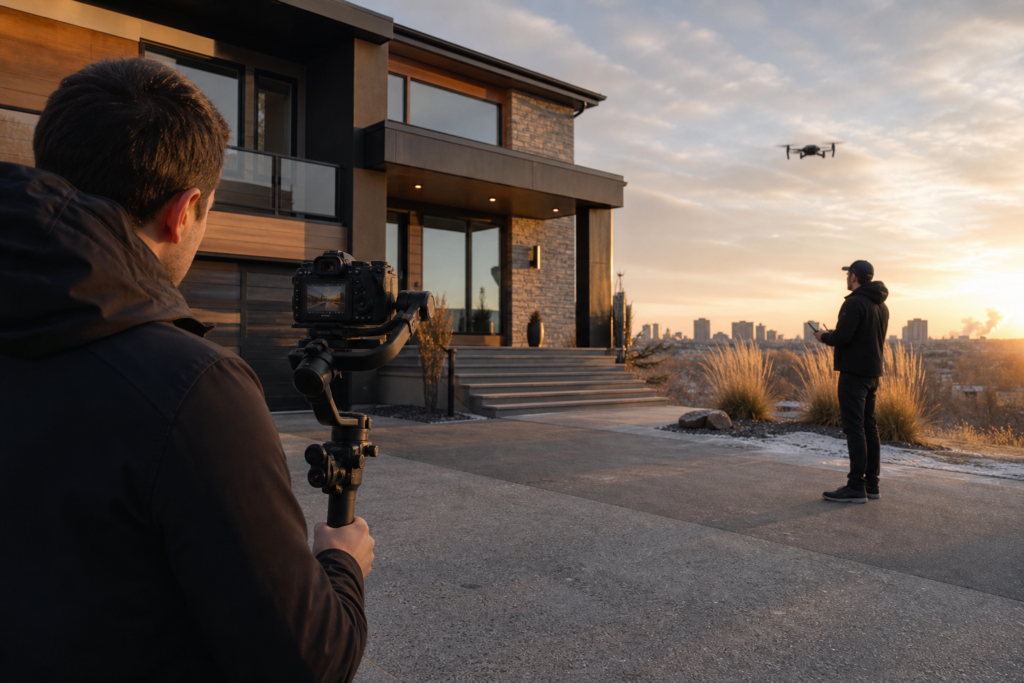
In 2026, buyers expect clarity before they visit a property. That means more agents will combine cinematic video with drone footage, iGUIDE or Matterport-style 3D tours, schematic floor plans, and high-end photography. This is especially useful for out-of-town buyers, relocation clients, investors, and new Canadians evaluating neighbourhoods remotely.

Canadian pricing for bundled real estate media packages varies widely, but a common 2026 range may look like this:

  • Photography only: approximately $250 to $600 depending on market and property size.
  • Photography plus basic video: approximately $600 to $1,200.
  • Cinematic video plus photo package: approximately $1,200 to $3,000.
  • Premium package with drone, 3D tour, floor plan, and social edits: approximately $2,000 to $5,000.
  • Developer, commercial, or brand campaign production: approximately $5,000 to $25,000 plus media buying if required.

These ranges are not fixed quotes, but they help agents and brokerages compare options realistically. The best package is the one that matches the property value, listing strategy, target buyer, and desired brand impression.

5. Neighbourhood Storytelling Will Matter More Than Ever

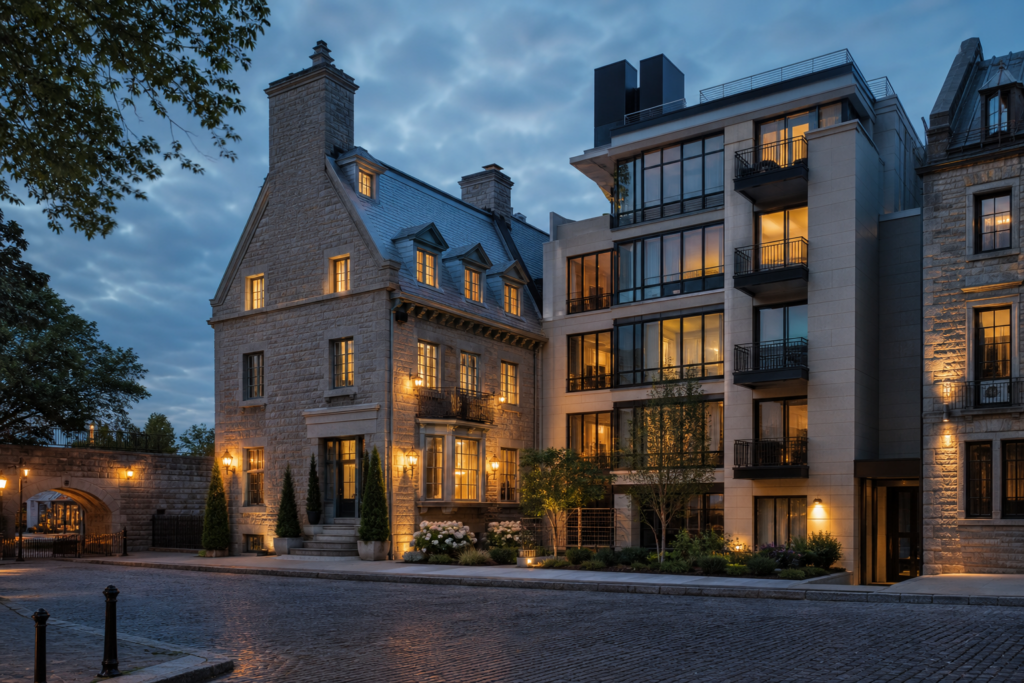
One of the strongest real estate media trends for 2026 is lifestyle storytelling. Buyers are not only purchasing square footage. They are evaluating transit access, schools, restaurants, parks, waterfront trails, commute times, architecture, and daily routines. This is particularly true in Toronto, where two homes with similar interiors can perform very differently depending on neighbourhood positioning.

Expect more videos to include exterior sequences, local businesses, parks, street scenes, transit shots, and agent narration. For pre-construction and development marketing, neighbourhood storytelling can be even more important because the buyer is often investing in a future lifestyle, not just a finished unit.

6. ROI Reporting Will Influence Media Budgets

In 2026, agents and brokerages will ask better questions about return on investment. Instead of only asking how much a video costs, they will ask how the media supports listing presentations, seller acquisition, buyer engagement, paid advertising, and long-term brand authority.

Useful ROI metrics include video views, watch time, click-through rates, showing inquiries, landing page engagement, social saves, ad cost per lead, listing presentation win rate, and repeat referrals. A $2,500 video package that helps win a $2 million listing, generate qualified seller leads, and create months of reusable content may produce stronger ROI than a cheaper package that only checks a box.

7. Agent and Brokerage Brand Films Will Grow

Listing media is temporary, but brand media compounds. In 2026, more real estate professionals will invest in cinematic brand films, team profile videos, recruitment videos, market update content, and community-focused campaigns. Brokerages can use this content to attract agents, promote culture, and differentiate in crowded urban markets.

For individual agents, a strong brand video can answer the questions that clients silently ask: Why should I trust you? What is your process? What market do you understand? How do you market homes differently? When paired with listing media, this type of content creates a more complete digital presence.

8. Faster Turnaround Will Become a Competitive Advantage

Toronto real estate moves quickly. In 2026, turnaround time will continue to be a major buying factor. Many agents will expect photos within 24 to 48 hours and video edits within two to five business days, depending on package complexity. Rush edits, same-week social reels, and pre-launch teaser assets will become common add-ons.

Speed, however, should not come at the expense of quality. The strongest production partners will have a clear workflow: pre-production planning, shot list, property preparation guidance, efficient shoot scheduling, editing milestones, review links, and platform-specific exports.

How to Choose a 2026 Real Estate Media Partner

When comparing cinematic video production options, look beyond the highlight reel. Ask whether the team understands MLS rules, Canadian drone regulations, condo logistics, luxury positioning, developer timelines, and social distribution. Review sample packages, turnaround times, licensing terms, revision policies, and whether vertical edits are included or priced separately.

A good media partner should help you decide when a simple package is enough and when a more ambitious production will pay off. Not every listing needs a full cinematic campaign, but every serious campaign needs a strategy. The right recommendation depends on property value, market conditions, seller expectations, and how the content will be used after the listing goes live.

The Bottom Line for 2026

The future of real estate media in Canada is strategic, cinematic, mobile-first, and ROI-focused. Agents and businesses that treat media as a growth asset rather than a one-time expense will have an advantage. The winning approach is to create content that sells the property, strengthens the brand, and can be repurposed across every platform where clients make decisions.

If you are planning a Toronto or Canadian real estate campaign for 2026, now is the time to align your media budget with your sales goals. For cinematic listing videos, social packages, developer content, and ROI-focused production planning, book a strategy call.

Further reading

Ready to tell your story on camera?

Cinematic video production with 48–72h delivery, across Canada.

Book a session →
WhatsApp Chat with us